
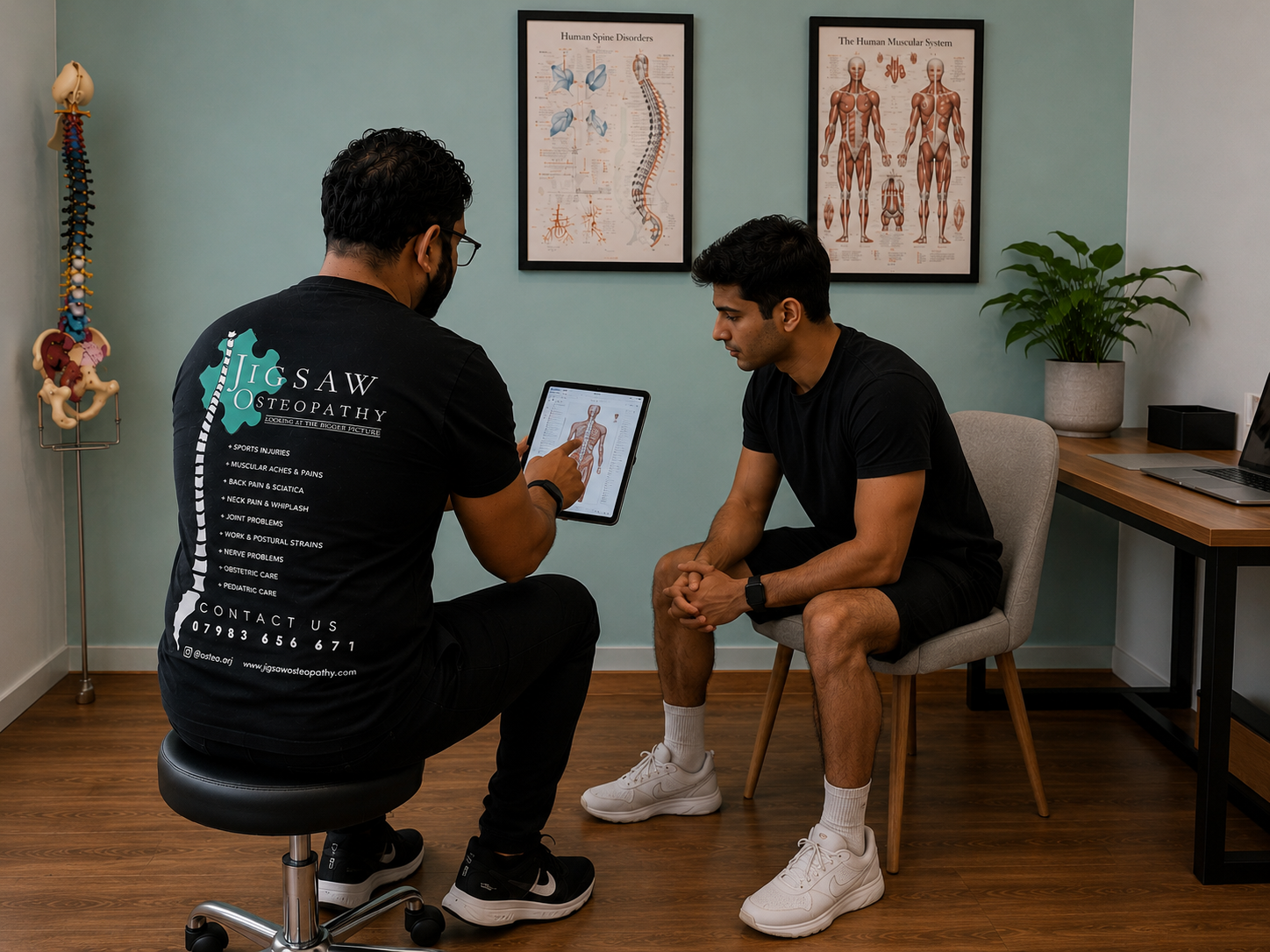
How We Work
Helping you reduce pain, restore movement and get back to doing what matters with hands-on treatment and rehabilitation tailored to you.
An Integrated Approach To Care
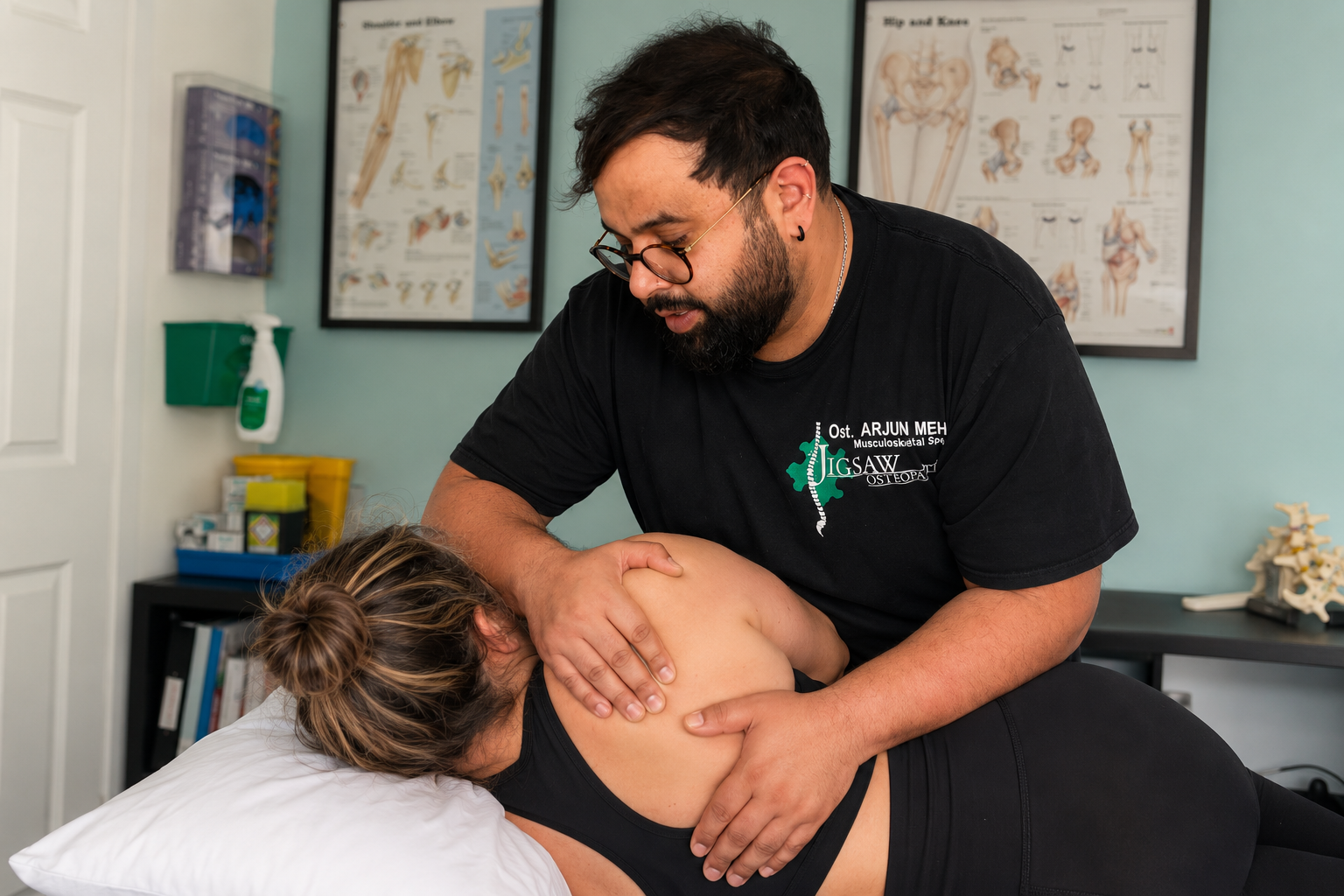
No two people move, train, work, recover or experience pain in exactly the same way.
Rather than following a rigid treatment model, care is built around looking beyond where it hurts to understand the possible root causes and contributing factors behind your symptoms.
Treatment can combine osteopathy, physiotherapy, hands-on treatment and rehabilitation, depending on your symptoms, goals and what is appropriate for you.
Reducing pain is often the first priority. From there, the focus can shift towards improving movement, rebuilding strength and confidence, and helping you return to the activities that matter to you.
The Treatment Process
01- Assessment & Diagnosis
Your first appointment lasts up to one hour and begins with a consultation about your symptoms, how they're affecting you and what you want to get back to doing.
I'll ask about your general health, medical history, medications and previous injuries, followed by a physical assessment which may include movement, strength, mobility and other clinical tests.
I'll then explain what I've found, give you a diagnosis, and discuss your treatment options and next steps.
02 - Treatment & Pain Relief
Where appropriate, treatment will usually begin during your first appointment, following your assessment and diagnosis.
The initial focus is often on reducing pain and helping you move more comfortably. This may include massage, soft tissue techniques, stretching, joint mobilisation or manipulation where appropriate.
You may also be shown simple exercises and self-management advice to help between appointments. I'll explain what I recommend and you'll always be involved in decisions about your treatment.
03 - Rehabilitation & Progression
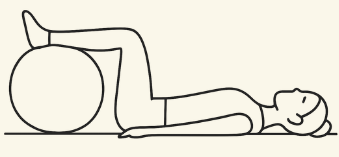
As your symptoms improve, the focus can shift towards building strength, improving movement and helping you feel more confident in what your body can do.
Rehabilitation is built around what you want to get back to - whether that's everyday activities, work, the gym, running or sport - and can progress as your strength and movement improve.
Hands-on treatment can still be used alongside rehabilitation where helpful.
Questions about your appointment? See FAQs below or get in touch if there’s anything you’d like to discuss before booking.
Treatment Options
There isn't one treatment that's right for everyone. Depending on your symptoms, diagnosis and goals, I can draw from a range of treatment approaches and discuss which options may be most appropriate for you.
Nothing is a fixed part of treatment. I'll explain the options available and we'll decide together what you're comfortable with.
-
Soft tissue and massage techniques involve working directly with the muscles and surrounding soft tissues and can be used to help reduce pain, ease muscle tension and improve comfortable movement.
Treatment may include different forms of massage, stretching and hands-on soft tissue techniques depending on the area being treated and what feels appropriate for you.
These techniques can be used on their own or alongside joint treatment, exercise and rehabilitation as part of your overall treatment plan.
-
Exercise and rehabilitation can help you restore movement, build strength and gradually return to the activities that matter to you.
This might start with simple mobility or strengthening exercises and progress towards more challenging rehabilitation for work, the gym, running or sport. Your programme can be adapted as your symptoms, strength and confidence improve.
-
Joint mobilisation involves gently moving a joint through different ranges of movement and may be used where pain or stiffness is limiting how comfortably you move.
Manipulation is a quicker, more specific technique that can sometimes produce the familiar click or pop. It isn't necessary or appropriate for everyone and is never a compulsory part of treatment. I'll discuss it with you beforehand and only use it with your consent.
-
Dry needling and acupuncture use fine, sterile needles and may be considered as part of treatment for some musculoskeletal pain presentations.
They are optional treatment approaches rather than something everyone receives. I'll explain why I think needling may be useful and what to expect before deciding together whether it's something you're comfortable with.
-
Shockwave therapy uses high-energy acoustic waves applied to the affected area and can be useful for certain persistent tendon and soft-tissue problems.
It is most commonly considered for conditions such as plantar fasciitis, Achilles tendinopathy, tennis elbow and some shoulder or hip tendon problems, particularly where symptoms have persisted despite more conservative treatment.
Shockwave isn't appropriate for every condition, so whether it's suitable will depend on your diagnosis and assessment.
-
Depending on your symptoms, other options may include IASTM, myofascial techniques, cupping and taping.
IASTM uses specially designed tools to work on muscles and soft tissues, while myofascial techniques use hands-on approaches to work with areas of muscular and soft-tissue tension. Cupping may be used as another form of soft-tissue treatment, while taping can sometimes provide short-term support or help with symptom management.
Like the other approaches on this page, these techniques are used selectively where they may add something useful to your treatment, rather than being a routine part of every appointment.
There are times when additional investigation, imaging, medical input or onward referral may be appropriate.
Where appropriate, I work closely with NHS and private GPs, consultants, imaging providers and other healthcare professionals to help ensure care is safe, coordinated and appropriate for you.
Good care also means recognising when another clinician or specialist may be better placed to help with a particular issue.
Collaborative & Ethical Care
A Personal Approach To Care
A message from Arjun Mehra - Osteopath & Physiotherapist
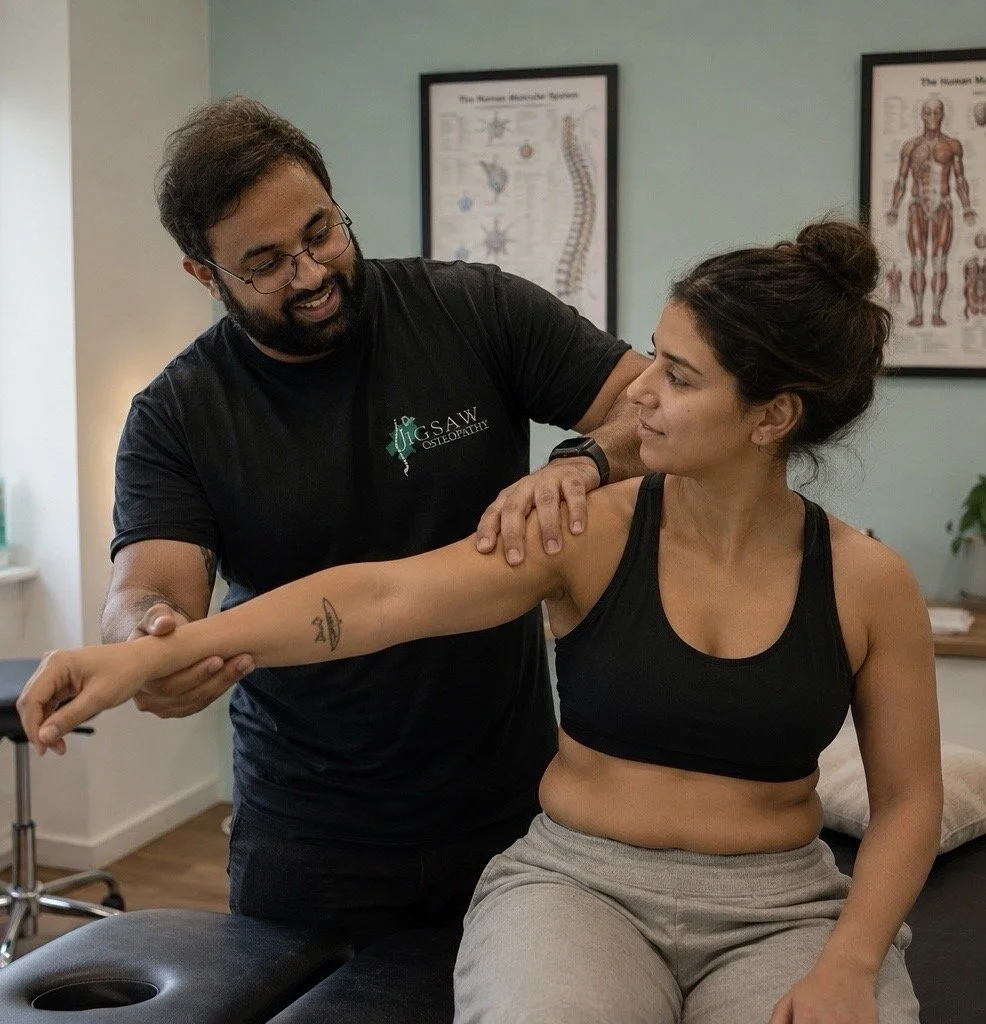
I originally trained as an osteopath, qualifying in 2013. Hands-on treatment has always been an important part of how I work, particularly when someone comes to see me in pain and simply wants to feel and move better.
Over the years, I became increasingly interested in what happens beyond the treatment room - how we help someone rebuild strength, return to work, the gym or sport, manage an ongoing problem, or simply feel more confident using their body again. This led me to return to university and train as a physiotherapist.
Today, I don't see osteopathy and physiotherapy as competing approaches. I believe there's real value in combining the two. Sometimes the priority is hands-on treatment and pain relief. Sometimes it's rehabilitation and building strength and capacity. Often, it's a combination of both.
My role is to understand what's important to you, explain what I think is going on, and help you find an approach that makes sense for you.
Good care isn't about keeping people coming back unnecessarily. If I feel another clinician, investigation or specialist would be better placed to help, I'll always be open about that and help guide you in the right direction.
My clinic is a safe, inclusive and non-judgemental space. Everyone arrives with different experiences, abilities and levels of confidence, and my role is to meet you where you are.
- Arjun Mehra, Osteopath & Physiotherapist
Learn more about Arjun →
Frequently Asked Questions
-
Wear something comfortable that allows you to move easily. Shorts, sportswear or loose-fitting clothing are ideal, as they make it easier to assess how you move and access the area being examined or treated.
Depending on the area being assessed, you may be asked to remove some clothing where appropriate. Your comfort and privacy will always be respected throughout.
-
In most cases, yes. Following your assessment and diagnosis, treatment will usually begin during your first appointment where appropriate.
If I feel further investigation, imaging or medical assessment is needed first, I'll explain this to you.
-
Your initial appointment lasts up to one hour, allowing time for your consultation, assessment, diagnosis and treatment where appropriate.
For follow-up appointments, there are two options: a regular 45-minute appointment or an extended 60-minute appointment.
The extended appointment can be useful if you would like more time for treatment, need to address multiple areas, or require more time for rehabilitation and exercise.
-
There isn't a set number of sessions that applies to everyone. It depends on your diagnosis, how long you've had your symptoms, your goals and how you respond to treatment.
Appointments may be more frequent at the beginning - for example, once a week or once every two weeks - and then spaced further apart as you improve, giving you time to work on your rehabilitation between sessions.
Some problems improve relatively quickly, while others can take longer to recover, but this doesn't necessarily mean you'll need treatment every week throughout your recovery.
After your assessment, I'll give you an honest idea of what I expect, including how frequently I think you may need to be seen, and we'll review this as you progress.
-
No. Nothing is a compulsory part of treatment. I'll explain what I recommend, why I think it may be useful and what it involves before we proceed.
If there's something you'd prefer not to have, just let me know.
Still have a question? Find more answers on the full FAQ page, or get in touch if there’s something you’d like to discuss before booking.
What Patients Say
GET IN TOUCH
Ready to Get Started?
Whether you’re dealing with pain, stiffness, injury, or simply want to move better, we’re here to help. Get in touch and we’ll guide you in the right direction.
☎︎︎ Phone: 0203 773 5310
/ 07983 656 671
✉︎︎ Email: info@jigsawosteopathy.com
⌖︎ Clinic location: 70 Seaton Rd, Hayes, UB3 1NU
➜︎ Directions: View on Google Maps →
◷︎ Opening Hours: By Appointment Only | Monday – Thursday | 9am - 7pm
◎︎ Instagram: @osteo.arj
◉︎ Facebook: Jigsaw Osteopathy Clinic