
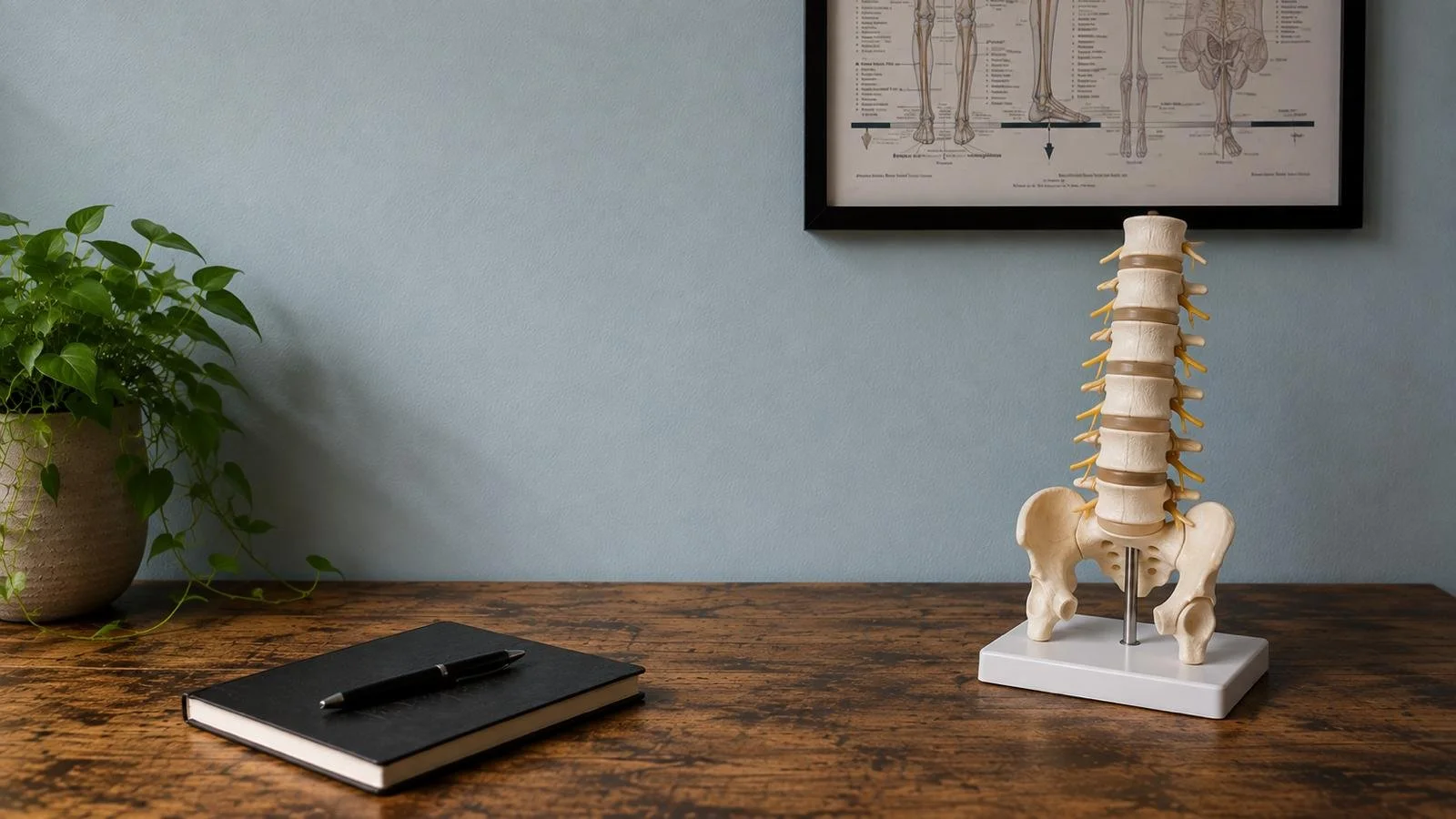
Lower Back Pain Treatment in Hayes, West London
Whether your back pain started suddenly or has been building over time, treatment is tailored to help you get out of pain, move more comfortably and get back to doing what matters most.
Lower back pain is extremely common and can affect almost every part of everyday life, from getting out of bed and putting your shoes on to sitting comfortably, working or exercising. Symptoms may develop suddenly after lifting, bending or an awkward movement, or build gradually over time without one obvious injury.
For some people, pain stays around the lower back, while for others it can spread into the buttock or leg and may be accompanied by tingling, numbness or weakness.
Who you'll see
You'll be seen by Arjun Mehra, dual-qualified osteopath and chartered physiotherapist. Your treatment and rehabilitation come from the same person, start to finish, with over a decade of experience helping people reduce pain and stay active.
Appointments usually available within 48 hours, Monday - Thursday.
The Painful Lower Back
Lower back pain can come on suddenly after lifting, bending or an awkward movement, or develop gradually without one obvious injury.
There are several possible causes of lower back pain, and often there isn't one single structure responsible. This is commonly described as mechanical or non-specific lower back pain, although the joints, muscles, discs and other structures around the lower back and pelvis may also contribute.
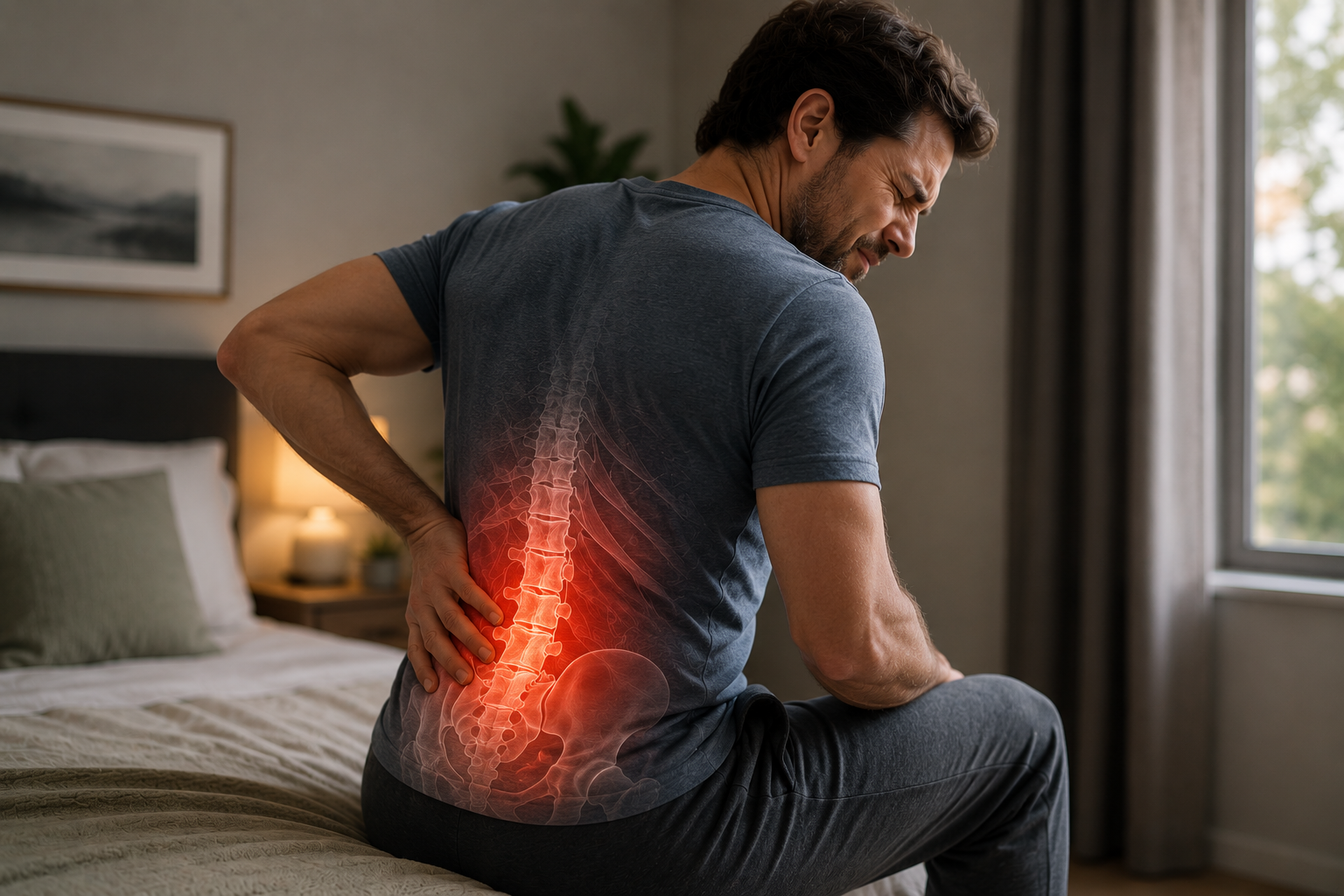
You may notice:
A dull ache or sharper pain across the lower back
Pain predominantly on one side
Pain when bending forwards or backwards
Difficulty getting up after sitting or lying down
Pain with lifting, twisting or changing position
Aching into the buttock or around the back of the pelvis
Mechanical / Non-Specific Lower Back Pain
Most lower back pain cannot be attributed to one specific structure or single identifiable cause. This is commonly described as non-specific or mechanical lower back pain.
Symptoms are often influenced by movement, position and activity, ranging from a general ache or stiffness to sharper pain with particular movements. They may follow lifting, increased activity or an awkward movement, but can also appear without an obvious trigger.
Importantly, non-specific doesn't mean that your pain isn't real or that nothing is wrong. It simply means that one individual structure cannot reliably be identified as the sole source of your symptoms.
Muscle Strain & Muscular Lower Back Pain
A sudden increase in load, unfamiliar activity or awkward movement can leave the muscles around the lower back painful, tight or sensitive.
Symptoms may stay relatively local to the lower back or extend towards the buttocks and are often aggravated by movements that load or stretch the affected area.
Lumbar Disc Bulges & Herniations
The intervertebral discs sit between the vertebrae of the lower back and help distribute load while allowing the spine to move. Changes involving a disc can sometimes contribute to lower back pain.
You may have heard terms such as disc bulge, disc protrusion, disc herniation, prolapsed disc or “slipped disc”, particularly if you've had an MRI. These describe different changes involving the disc, but finding one on a scan doesn't automatically mean it's responsible for your pain.
A disc bulge or herniation can sometimes irritate a nearby nerve and cause symptoms into the leg, but this doesn't happen in everyone. This is covered in more detail in Sciatica & Leg Pain.
Facet Joint Pain
The facet joints are small joints at the back of the spine that help guide and control movement between the vertebrae. Like other joints, they can sometimes become painful or irritated.
Facet-related pain is often felt on one side of the lower back and may spread towards the buttock or upper thigh. Movements involving extension or rotation, such as leaning backwards or twisting, can sometimes aggravate symptoms.
Sacroiliac Joint (SIJ) Pain
The sacroiliac joints sit where the base of the spine meets the pelvis. Pain in this area is commonly felt on one side of the lower back or around the upper buttock and may be aggravated by walking, stairs, turning in bed or staying in one position for a long time.
Pain in this region doesn't automatically mean the SI joint itself is the source. Several structures around the lower back, hip and pelvis can produce similar symptoms.
Spondylolisthesis
Spondylolisthesis describes one vertebra sitting slightly forwards relative to the vertebra below it. There are different types and grades, and for some people it's discovered on imaging without causing symptoms.
When associated with symptoms, it may cause lower back pain or stiffness, sometimes aggravated by standing, walking or repeated extension of the lower back. In some cases, narrowing around the nerves can also contribute to symptoms in the legs.
The Stiff Lower Back
A stiff lower back can make everyday movement feel harder than it should.
Stiffness may develop gradually over time or follow an episode of back pain, injury or a period of reduced activity.
Reduced movement doesn't necessarily mean there's something damaged or structurally wrong with your back.
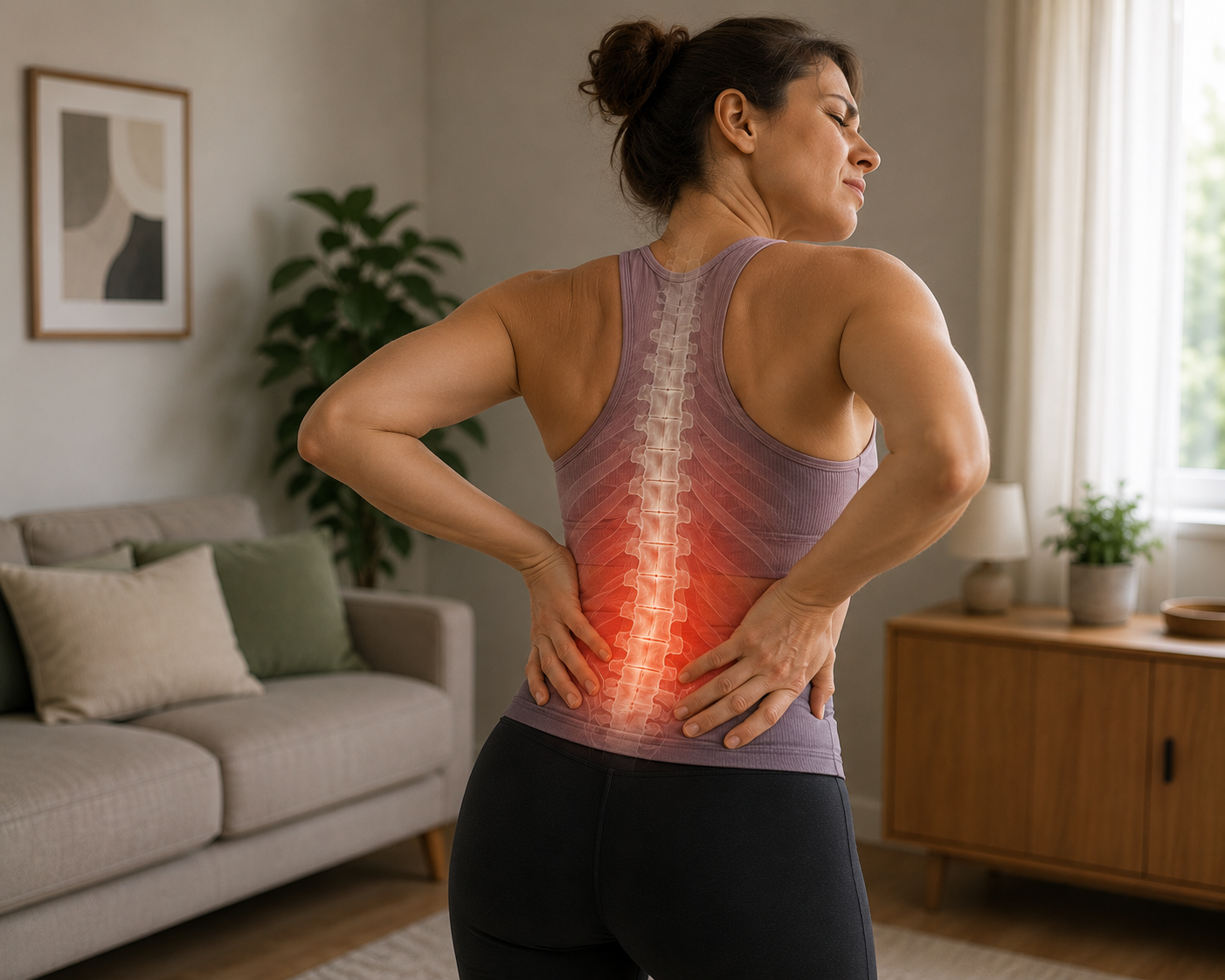
You may notice:
Stiffness or restriction when bending forwards
Difficulty straightening up after sitting
Reduced movement when twisting or leaning backwards
Stiffness first thing in the morning
Feeling particularly stiff after sitting or driving
Your back loosening up once you start moving
Difficulty getting into positions you previously found easy
Muscular Tightness & Joint Stiffness
Stiffness in the lower back can involve the muscles, joints or a combination of both. Following an episode of pain, increased activity, prolonged time in one position or changes in training, the back can sometimes feel tight, guarded or restricted.
The Hips & Lower Back
The lower back, pelvis and hips work together during everyday movements such as bending, walking, squatting and lifting. If movement through the hips is particularly restricted, the way you move through the lower back and pelvis may also change.
This is why improving hip mobility, strength and overall movement can sometimes be just as important as focusing on the lower back itself.
Lumbar Osteoarthritis & Degenerative Changes
Age-related changes within the joints and discs of the lower back can sometimes contribute to reduced movement and stiffness. You may see terms such as lumbar spondylosis, spondyloarthrosis or degenerative changes on an X-ray or MRI report.
These findings are common as we get older and don't automatically mean they're responsible for your symptoms. When they are associated with symptoms, people may experience morning stiffness, stiffness after periods of inactivity and reduced movement, which can ease as they get moving.
Pain that travels from the lower back or buttock into the leg is often described as sciatica, but not all pain felt in the buttock or leg is caused by nerve irritation.
A disc bulge or herniation, narrowing around a nerve, or other changes within the lumbar spine can sometimes irritate a nerve and cause sciatica.
However, the joints, discs and muscles of the lower back can also produce referred pain into the buttock or thigh without a nerve being affected. Problems around the hip or gluteal region can sometimes create similar symptoms too.
Sciatica & Leg Pain
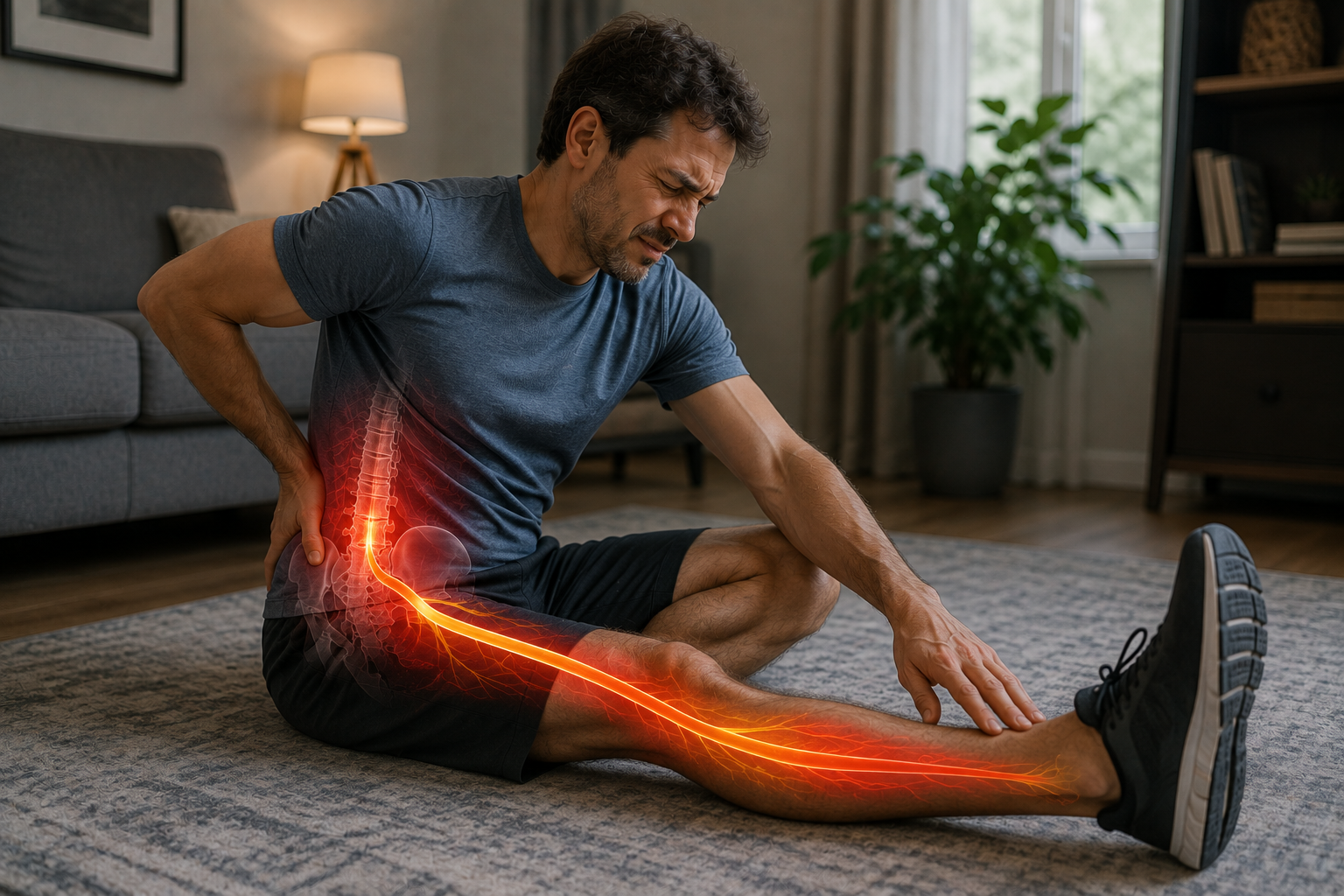
Referred Pain From the Lower Back
Not all pain that spreads into the buttock or thigh is sciatica. The joints, discs and muscles of the lower back can sometimes produce referred pain, where pain is felt away from the area it originates from without a nerve being affected.
Referred pain is commonly felt around the buttock, hip or thigh and doesn't usually cause the neurological symptoms more associated with nerve irritation, such as tingling, numbness or muscle weakness.
You may notice:
Pain travelling from the lower back or buttock into the leg
Sharp, burning or electric-type pain
Tingling or pins and needles
Numbness or altered sensation in the leg or foot
Weakness in the leg, ankle or foot
Symptoms aggravated by certain movements or positions
Difficulty sitting, walking or getting comfortable at night
Disc Bulge / Herniation & Sciatica
A disc bulge or herniation can sometimes irritate a nerve in the lower back, causing pain to travel into the buttock or leg. Tingling, numbness or weakness may also occur when a nerve is affected, and some people can have significant leg symptoms with surprisingly little lower back pain.
You may also hear terms such as disc protrusion, prolapsed disc or “slipped disc.” Despite the name, a slipped disc hasn't literally slipped out of place, and disc changes are commonly seen on MRI scans in people without symptoms.
Lumbar Foraminal Stenosis
The spinal nerves leave the lower back through small openings called foramina. Changes involving the joints, discs or surrounding structures can sometimes narrow these spaces and irritate a nerve root.
This can cause pain, tingling, numbness or weakness into the leg, depending on which nerve is affected.
Lumbar Spinal Stenosis
Lumbar spinal stenosis describes narrowing of the space within the lower spine through which the nerves travel. It becomes more common as we get older and is often associated with degenerative changes within the spine.
Symptoms can include aching, heaviness, tingling or weakness in one or both legs, particularly during standing or walking. Some people find that symptoms ease when sitting down or leaning forwards, such as over a shopping trolley.
Piriformis Syndrome & Deep Gluteal Pain
The sciatic nerve passes through the deep gluteal region close to several muscles, including the piriformis. Irritation of the nerve in this area can sometimes produce pain into the buttock or leg.
Although the term “piriformis syndrome” is commonly used, other structures in the deep gluteal region may also be involved. Symptoms can resemble sciatica originating from the lower back, which is why the two aren't always easy to distinguish from symptoms alone.
When to Seek Urgent Medical Help
Most lower back pain and sciatica does not require emergency treatment. However, seek urgent medical attention if you develop:
New difficulty starting or controlling urination, or loss of bladder or bowel control
New numbness or altered sensation around the genitals, buttocks or inner thighs (saddle area)
New changes in sexual function alongside back or leg symptoms
Severe or rapidly worsening weakness in one or both legs
Significant back pain following major trauma, particularly if you are at increased risk of fracture
These symptoms can rarely indicate a more serious problem, including significant compression of the nerves at the bottom of the spine known as cauda equina syndrome, and require urgent medical assessment.
Weak or Recurrent Back Pain
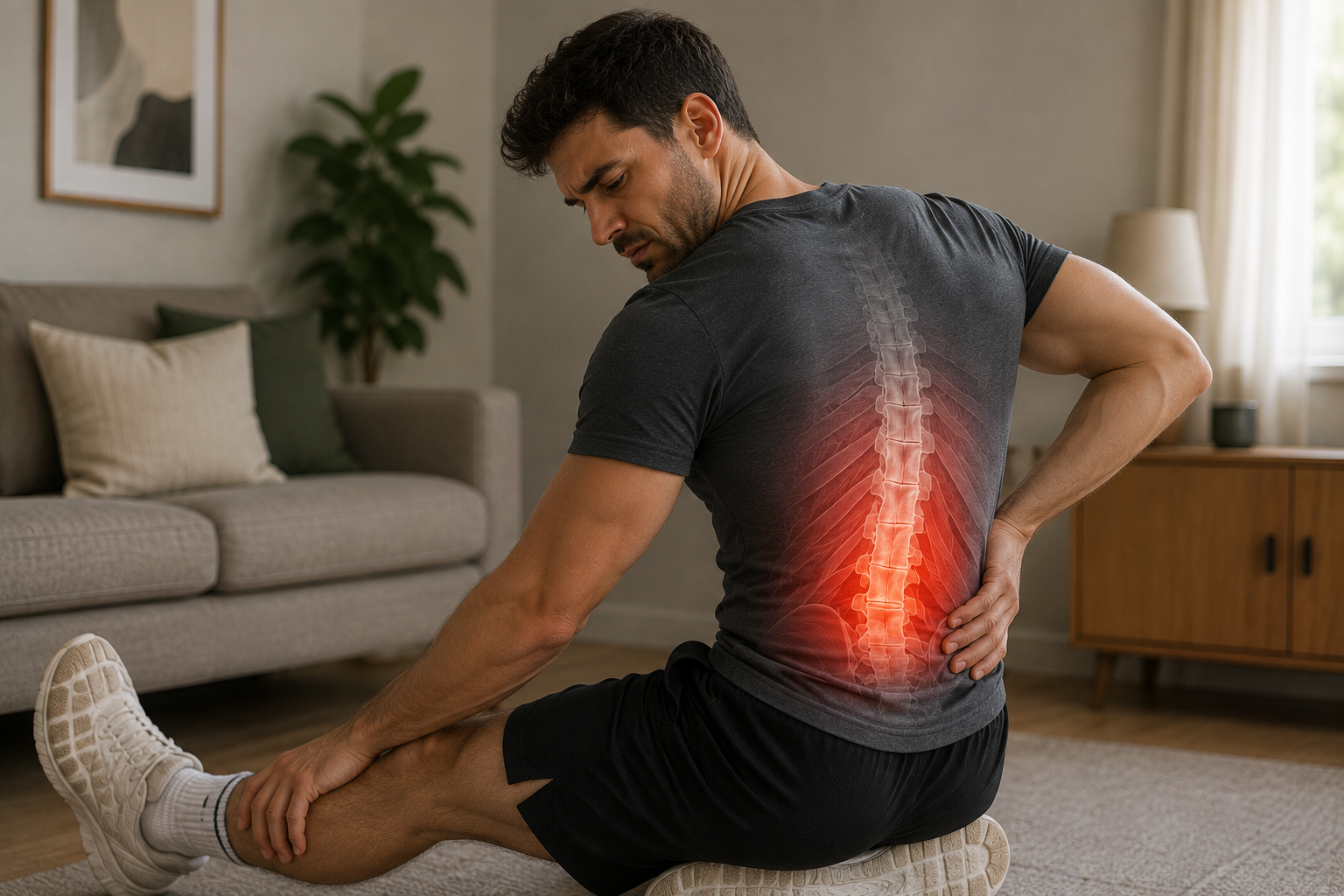
If your lower back keeps flaring up, it can start to feel as though something is weak, unstable or repeatedly “going out.” You might feel completely fine for weeks or months, only for the pain to return after lifting, bending, training or sometimes without an obvious trigger.
Repeated episodes can understandably affect confidence. You may start avoiding certain movements, lifting more cautiously or feeling as though you constantly need to protect your back because you're worried about another flare-up.
However, feeling that your back is weak or vulnerable doesn't necessarily mean your spine is structurally unstable. Previous pain, reduced strength or conditioning, changes in activity and how much load your back is currently able to tolerate can all influence how confident and capable it feels.
You may notice:
Lower back pain that repeatedly comes and goes
Feeling as though your back is “weak” or might “go”
Flare-ups after lifting, bending or exercise
Avoiding certain movements because you're worried about triggering pain
Reduced confidence lifting heavier objects or returning to the gym
Feeling that your back tires more quickly than it used to
Repeatedly needing to stop or modify activities when symptoms return
Building a Stronger, More Resilient Back
For recurrent back pain, the longer-term aim is to build your confidence and capacity rather than simply waiting for the next flare-up.
Rehabilitation may involve strengthening the back, trunk, hips and legs, practising movements such as bending and lifting, and gradually rebuilding tolerance for the demands of everyday life, work, the gym or sport.
Persistent Lower Back Pain
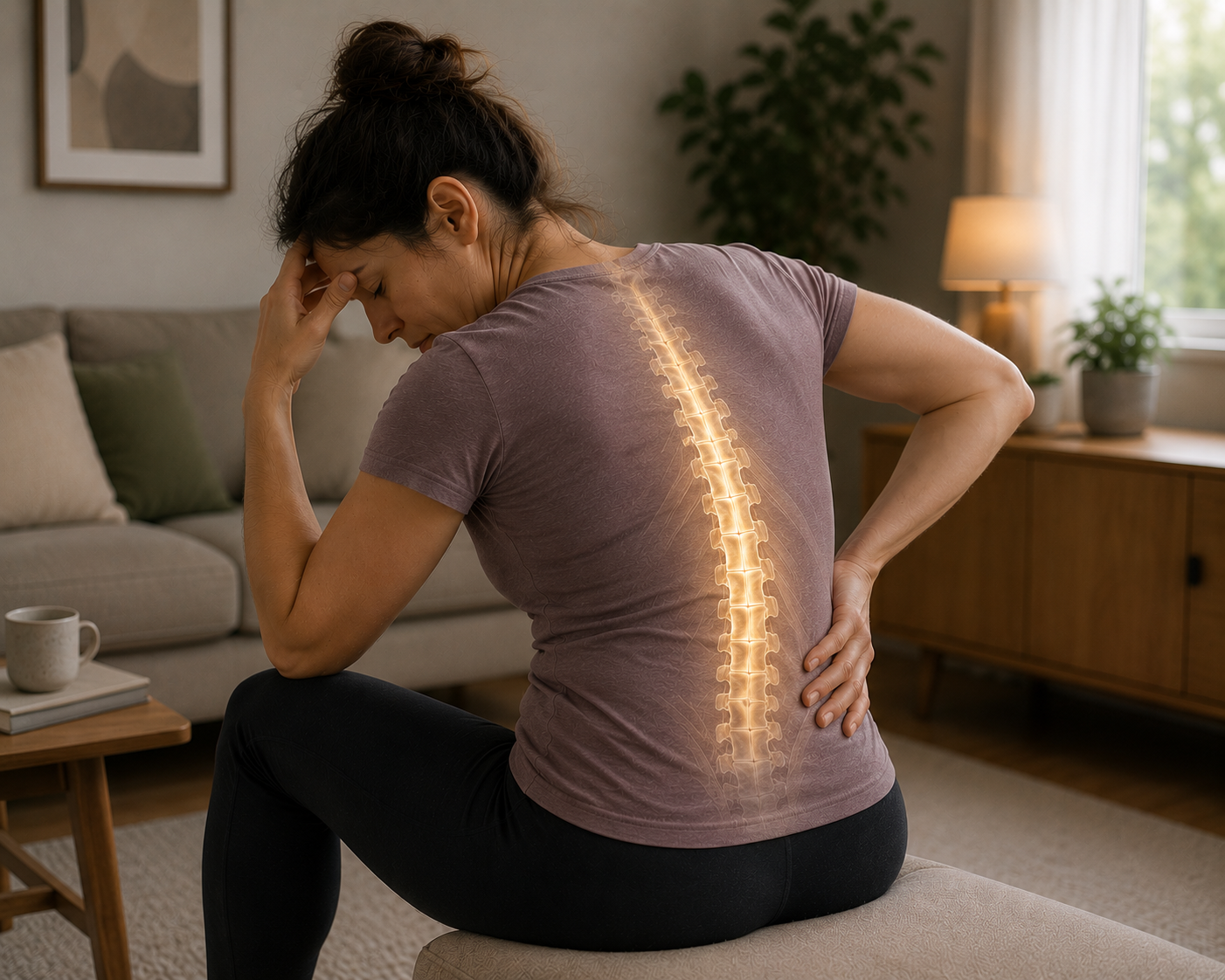
When lower back pain has been present for a long time, it can begin to affect far more than just your back. Exercise, work, sleep and everyday activities can become harder, and it's understandable to become cautious about movements or activities that have repeatedly triggered symptoms.
Persistent pain is rarely explained by one single factor. The original injury or irritation may have settled, while changes in movement, strength, activity levels, sleep, stress, general health and the way the nervous system processes pain can all influence how symptoms behave over time.
Importantly, pain that has lasted a long time doesn't necessarily mean that your back is continuing to become damaged. Even when scans show changes such as disc degeneration, arthritis or disc bulges, these findings don't always explain the severity or persistence of someone's symptoms.
You may notice:
Lower back pain that has been present for several months or longer
Symptoms that fluctuate between better and worse periods
Pain affecting sleep, work or everyday activities
Reduced confidence bending, lifting or exercising
Avoiding certain movements because you're worried about making things worse
Feeling frustrated after trying several different treatments
Difficulty returning to activities you previously enjoyed
Moving Forward With Persistent Back Pain
When pain has been around for a long time, there usually isn't one single treatment that fixes everything. The focus is on understanding what may be keeping your symptoms going and gradually rebuilding your ability to do the things that matter to you.
Rehabilitation may focus on movement, strength and physical capacity, working towards meaningful goals such as walking further, sitting comfortably at work, lifting without fear, getting back into the gym or returning to sport.
Lower Back Pain During Gym & Sport
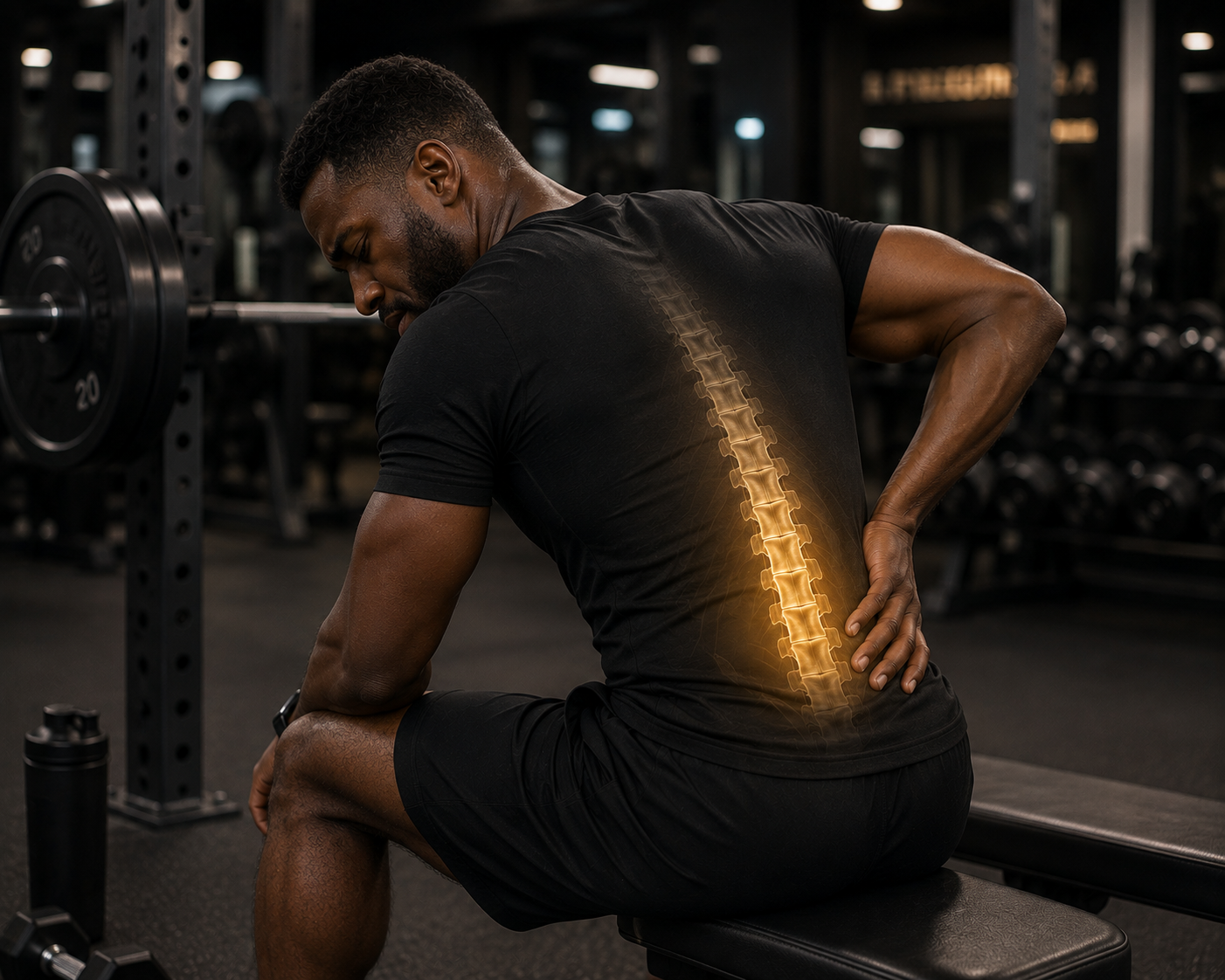
Whether you're lifting weights, doing CrossFit, running or playing sport, your lower back needs to tolerate and transfer load during many different movements. Squatting, deadlifting, rowing, pressing, running and changing direction can all place different demands on the lower back and surrounding muscles.
Back pain during training or sport doesn't automatically mean you've damaged something or that you need to stop completely. In many cases, activity can be modified rather than stopped, allowing symptoms to settle while gradually rebuilding your ability to tolerate the movements and loads you want to return to.
Your lower back also doesn't work in isolation. Hip mobility, strength through the trunk and legs, movement control, technique, training volume and how quickly load has increased may all be relevant.
You may notice:
Lower back pain during squats, deadlifts or other loaded exercises
Pain with bending, hinging, lifting or twisting
Symptoms appearing as training or sporting load increases
Stiffness or aching after a training session, run or game
Pain during running, jumping or higher-impact activity
Feeling hesitant to load your back or return to certain exercises or sporting movements
Repeated flare-ups when you return to heavier training or sport
Lower Back Pain at Work
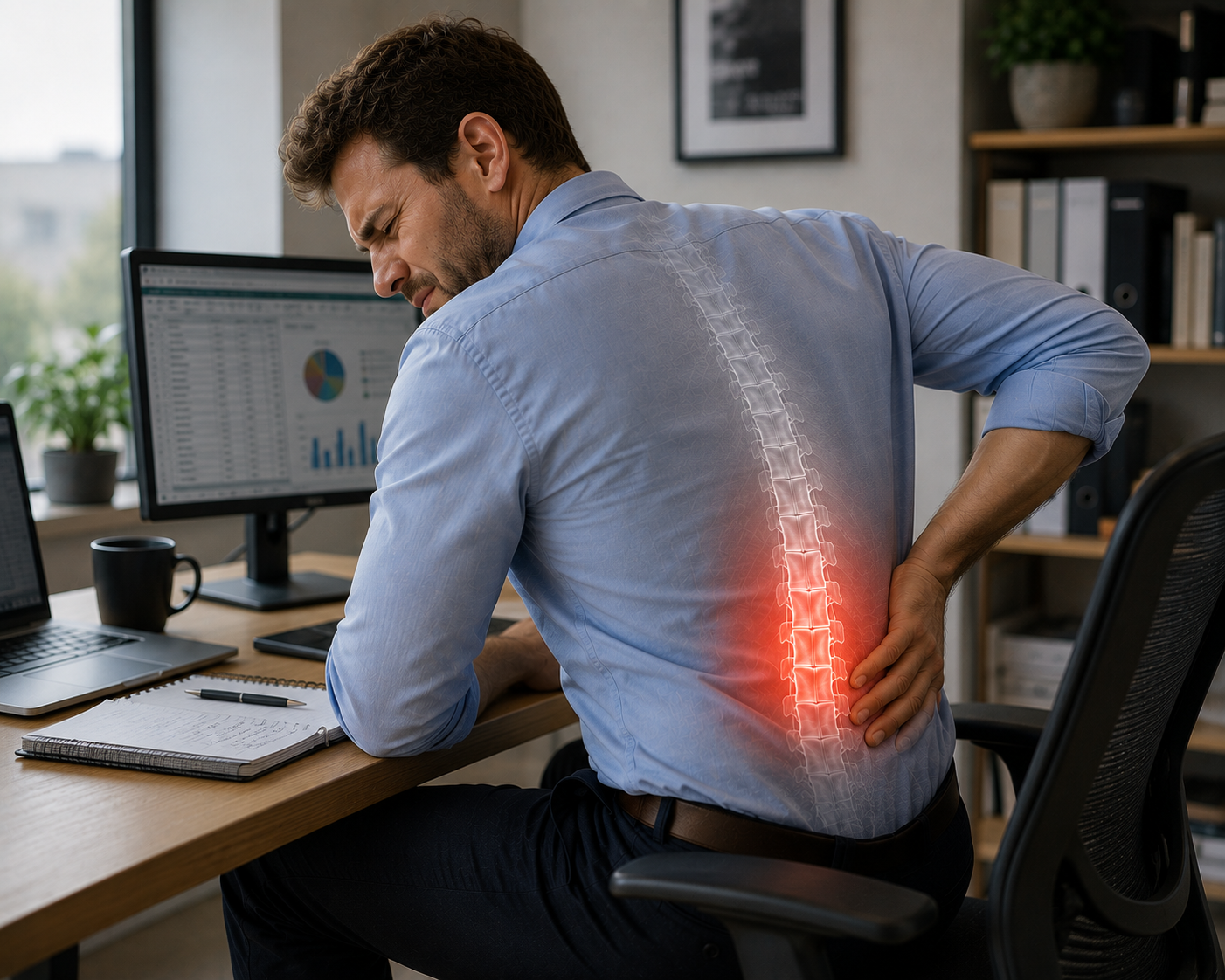
Lower back pain can make the working day difficult, whether you spend hours sitting at a desk, driving for long periods or have a physically demanding job. Symptoms may build throughout the day or become more noticeable after spending longer periods in one position.
For desk-based work, there isn't one single “perfect posture” that everyone needs to maintain. Workstation setup can be relevant, alongside regularly changing position and moving throughout the day.
For more physical jobs, repeated lifting, carrying, bending, twisting or working in awkward positions can make symptoms more noticeable, particularly during heavier or busier periods at work.
Driving can also aggravate lower-back pain, particularly when you're sitting for prolonged periods or getting in and out of a vehicle repeatedly.
You may notice:
Lower back pain or stiffness that builds during the working day
Pain after prolonged sitting or desk work
Symptoms during or after longer periods of driving
Pain with repeated lifting, bending or carrying
Difficulty getting upright after sitting for a long time
Flare-ups during particularly busy or physically demanding periods
After Lower Back Surgery
Recovery after lower back surgery can take time, and rehabilitation often plays an important role in helping you regain movement, strength and confidence. The right approach will depend on the type of surgery you've had, why it was performed and any guidance or restrictions provided by your surgical team.
In the early stages, everyday activities such as walking, sitting, bending or getting in and out of bed may feel difficult. As recovery progresses, rehabilitation can gradually move towards rebuilding strength and preparing your back for the demands of everyday life, work, exercise or sport.
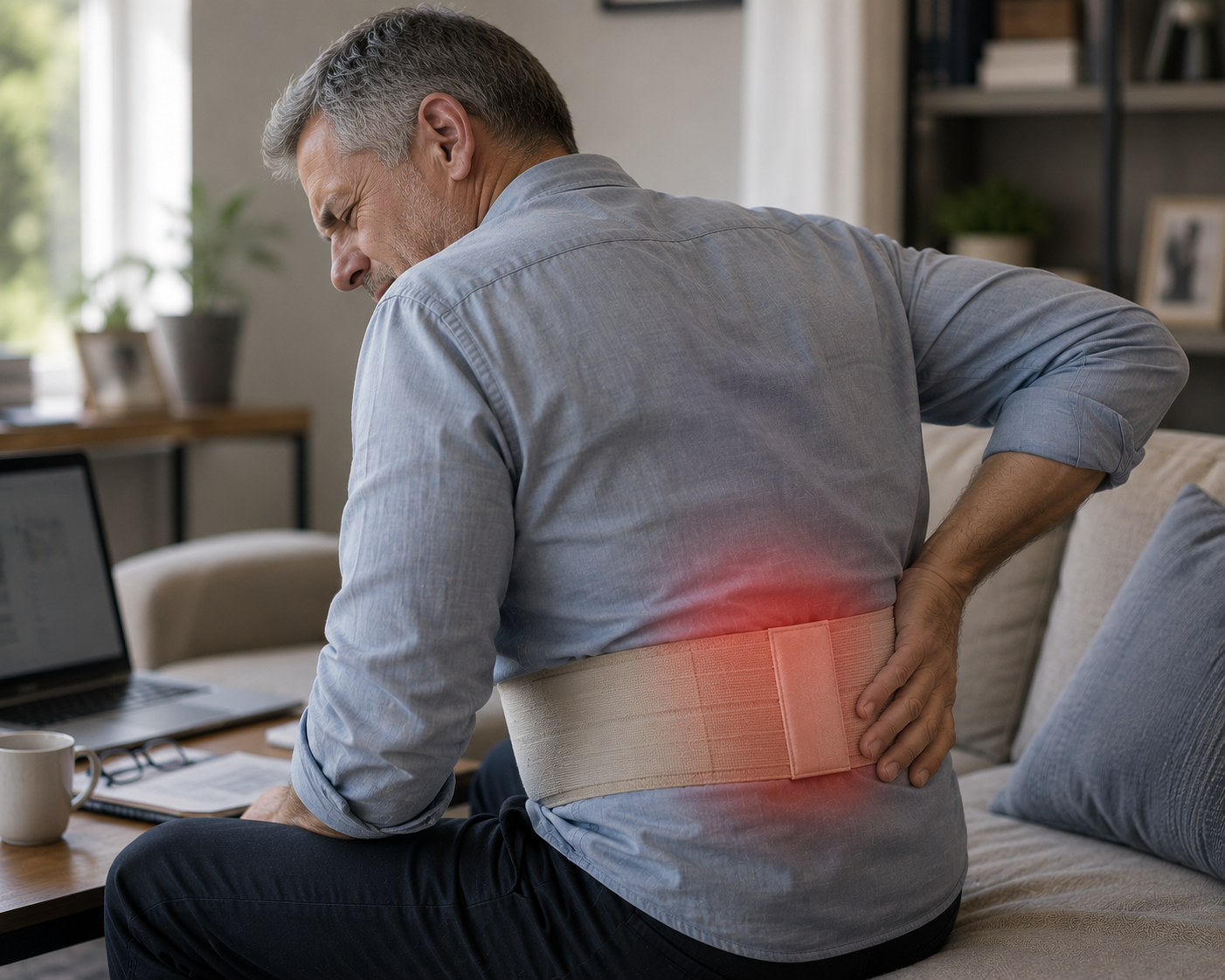
You may benefit from rehabilitation if you're:
Recovering following a lumbar discectomy or microdiscectomy
Recovering after lumbar decompression or laminectomy
Recovering following a lumbar spinal fusion
Recovering after surgery for spinal stenosis
Experiencing ongoing stiffness or weakness following surgery
Looking to return to work, the gym, sport or normal everyday activities
Rehabilitation After Back Surgery
Rehabilitation isn't simply about the surgical area itself. Depending on your stage of recovery, it may involve gradually restoring comfortable movement, rebuilding strength through the back, trunk, hips and legs, and progressively reintroducing activities such as bending, lifting and exercise.
Every operation and recovery is different, so rehabilitation will be adapted to your procedure, stage of recovery and goals, while working within your surgeon's post-operative guidance and any restrictions they've provided.
How We Treat Lower Back Pain
Treatment may combine hands-on techniques, such as soft tissue work, mobilisation or manipulation where appropriate, with exercises to rebuild strength, mobility and confidence in your back.
Your assessment helps guide what you need. We have a broad range of treatment techniques and tools available, allowing treatment to be adapted to you rather than following a set approach. We'll also consider work, training and everyday activities that may be relevant to your symptoms, shaping treatment and rehabilitation around what you're finding difficult and what you want to get back to.
What Patients Say
Lower Back Pain FAQs
-
Not everyone with lower back pain needs imaging. In many cases, your symptoms can be understood from your history and physical examination without an X-ray or MRI.
Imaging may be appropriate in certain situations - for example, following significant trauma, when there are concerning or progressive neurological symptoms, when something more serious is suspected, or when symptoms aren't progressing as expected. If further investigation is appropriate, this can be discussed as part of your next steps.
-
Not necessarily. Disc bulges and other age-related disc changes are commonly seen on MRI scans, including in people who don't have lower back pain.
A disc bulge or herniation can become more relevant when it corresponds with someone's symptoms — particularly if it irritates a nearby nerve root and causes pain, tingling, numbness or weakness into the leg.
Having a disc problem also doesn't automatically mean you'll need surgery. Many people with disc-related lower back pain or sciatica improve with non-surgical management.
-
No. Sciatica describes symptoms associated with irritation of nerves contributing to the sciatic nerve, typically producing pain into the buttock and leg and sometimes tingling, numbness or weakness.
You can have sciatica with relatively little lower back pain, and you can also have pain spreading into the buttock or thigh that isn't sciatica, such as referred pain from structures within the lower back.
-
Usually, prolonged bed rest isn't recommended. Where possible, keeping gently active and gradually returning to normal movement is generally preferable, although you may need to temporarily modify activities that significantly aggravate your symptoms.
If you train or have a physical job, this doesn't necessarily mean stopping everything. Sometimes adjusting the load, movement or activity for a period of time allows you to keep moving while symptoms settle.
-
For most people, lower back manipulation can be a safe and appropriate treatment option when clinically indicated. Whether it's suitable for you will depend on your symptoms, medical history, examination findings and individual circumstances.
Manipulation is also not essential for treating lower back pain. Depending on what you need, treatment may include mobilisation, soft tissue techniques, exercise and rehabilitation, either alongside manipulation or instead of it.
If manipulation is appropriate, I'll explain what it involves and discuss it with you beforehand. It will only ever be performed with your consent.
-
Most episodes of lower back pain are not caused by anything serious. However, urgent medical assessment is important if you develop symptoms such as new changes to bladder or bowel control, numbness around the genitals or saddle area, changes in sexual function alongside back or leg symptoms, or severe or rapidly worsening weakness in one or both legs.
Urgent assessment may also be needed following significant trauma or if back pain occurs alongside other concerning symptoms such as severe unexplained illness.
Not Sure What's Causing Your Lower Back Pain?
Lower back pain can have a number of different causes, and you don't need to know exactly what's wrong before booking. That's what the assessment is for.
GET IN TOUCH
Ready to Get Started?
Whether you’re dealing with pain, stiffness, injury, or simply want to move better, we’re here to help. Get in touch and we’ll guide you in the right direction.
☎︎︎ Phone: 0203 773 5310
/ 07983 656 671
✉︎︎ Email: info@jigsawosteopathy.com
⌖︎ Clinic location: 70 Seaton Rd, Hayes, UB3 1NU
➜︎ Directions: View on Google Maps →
◷︎ Opening Hours: By Appointment Only | Monday – Thursday | 9am - 7pm
◎︎ Instagram: @osteo.arj
◉︎ Facebook: Jigsaw Osteopathy Clinic