
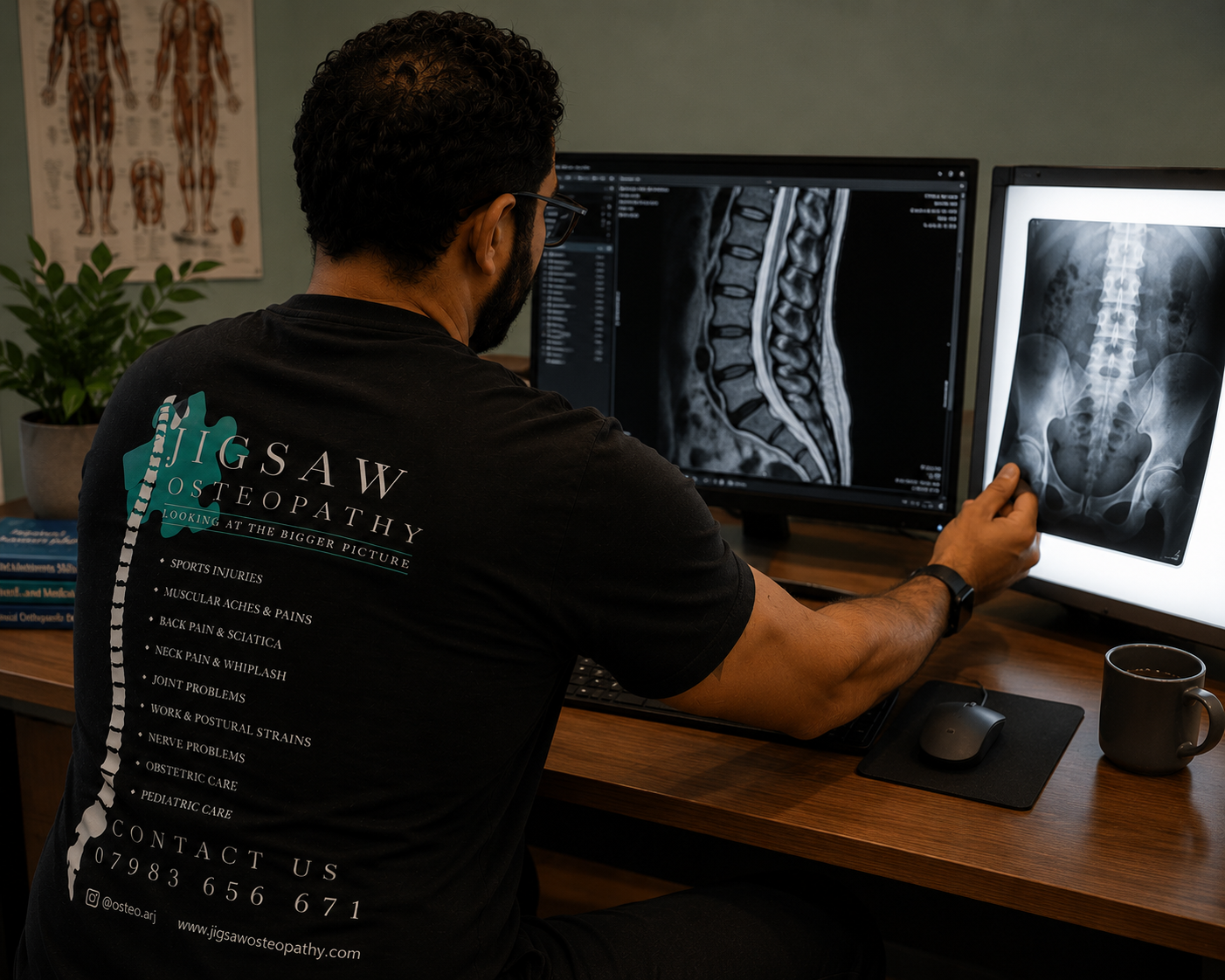
We commonly support a wide range of musculoskeletal, movement, rehabilitation, and sports-related presentations affecting everyday life, work, exercise, and physical confidence.
Common Conditions
Conditions We Commonly Help With
The examples below highlight some of the more common presentations seen in clinic, although treatment is not limited to these conditions alone. Assessment focuses on understanding the individual, their symptoms, movement, lifestyle, and recovery goals rather than simply treating symptoms in isolation.
Spine & Back
Spinal symptoms can range from acute injuries and nerve irritation to longer-standing stiffness, overload, and movement-related pain affecting daily life, work, training, and recovery.
• Low back pain
• Sciatica
• Neck pain and stiffness
• Disc-related pain
• Thoracic pain
• Whiplash-associated symptoms
• Postural and movement-related spinal pain
• Gym and lifting-related back injuries
Shoulder
Shoulder symptoms may involve tendons, movement restrictions, overload, posture, gym-related strain, or joint irritation affecting both everyday function and activity.
• Rotator cuff-related pain
• Frozen shoulder
• Shoulder impingement
• AC joint pain
• Shoulder instability
• Gym and training-related shoulder injuries
• Postural shoulder pain
Elbow
• Tennis elbow
• Golfer’s elbow
• Tendon irritation
• Gym and gripping-related pain
• Repetitive strain injuries
• Elbow stiffness and overload-related pain
Elbow pain often develops gradually through overload, gripping, repetitive movement, training demands, or tendon irritation affecting strength and day-to-day tasks.
Hand & Wrist
Hand and wrist symptoms may involve tendon irritation, repetitive strain, nerve-related symptoms, stiffness, or overload linked to work, training, or everyday activity.
• Wrist pain and stiffness
• Tendon irritation
• Repetitive strain symptoms
• Carpal tunnel-related symptoms
• Thumb pain
• Desk and gym-related wrist pain
Hip & Pelvis
Hip and pelvic symptoms can affect movement, walking, training, sitting, and exercise tolerance, often involving a combination of mobility, strength, tendon, or joint-related factors.
• Hip pain and stiffness
• Gluteal pain
• SIJ-related symptoms
• Pregnancy and post-natal pelvic pain
• Gym and running-related hip pain
• Movement-related pelvic discomfort
Knee
Knee pain can develop through overload, tendon irritation, movement restrictions, training demands, injury, or longer-term joint-related changes affecting confidence and activity levels.
• Patellofemoral pain
• Tendon pain
• Ligament and meniscal irritation
• Running and gym-related knee pain
• Knee stiffness and overload injuries
• Osteoarthritis-related symptoms
Foot & Ankle
Foot and ankle symptoms may affect walking, running, balance, training, and mobility, often involving tendon overload, joint stiffness, instability, or repetitive strain.
• Plantar fasciitis
• Achilles tendon pain
• Ankle sprains
• Running-related foot pain
• Heel pain
• Mobility and stability issues
Nerve & Trapped Nerve Symptoms
Nerve-related symptoms can include pain, pins and needles, numbness, weakness, or altered sensation linked to irritation or sensitivity within the nervous system.
• Sciatica
• Pins and needles
• Numbness
• Neural tension symptoms
• Cervical or lumbar nerve irritation
• Referred pain patterns
Tendon & Overuse Injuries
Tendon pain and overload injuries commonly develop gradually over time through repetitive strain, training demands, changes in activity, or reduced recovery capacity.
• Achilles tendinopathy
• Patellar tendon pain
• Tennis elbow
• Rotator cuff tendon pain
• Gluteal tendon pain
• Repetitive strain and overload injuries

Sports Injuries & Return To Exercise
Sports and training-related injuries may affect strength, mobility, confidence, movement quality, and return-to-performance following injury or periods of inactivity.
• Gym-related injuries
• Running injuries
• Muscle strains
• Return-to-training rehabilitation
• Mobility restrictions affecting performance
• Exercise confidence rebuilding
Post-Operative Rehabilitation
Post-operative rehabilitation focuses on helping restore movement, strength, confidence, and function following surgery or medical procedures.
• Knee rehabilitation
• Shoulder rehabilitation
• Hip rehabilitation
• Mobility and strength rebuilding
• Return-to-exercise support
• Rehabilitation progression and recovery planning
Headaches & Jaw Pain
Headaches and jaw-related symptoms can sometimes be influenced by neck tension, posture, movement restrictions, muscular overload, or jaw irritation.
• Neck-related headaches
• Jaw tension and TMJ-related pain
• Tension-related headaches
• Postural contributors to headaches
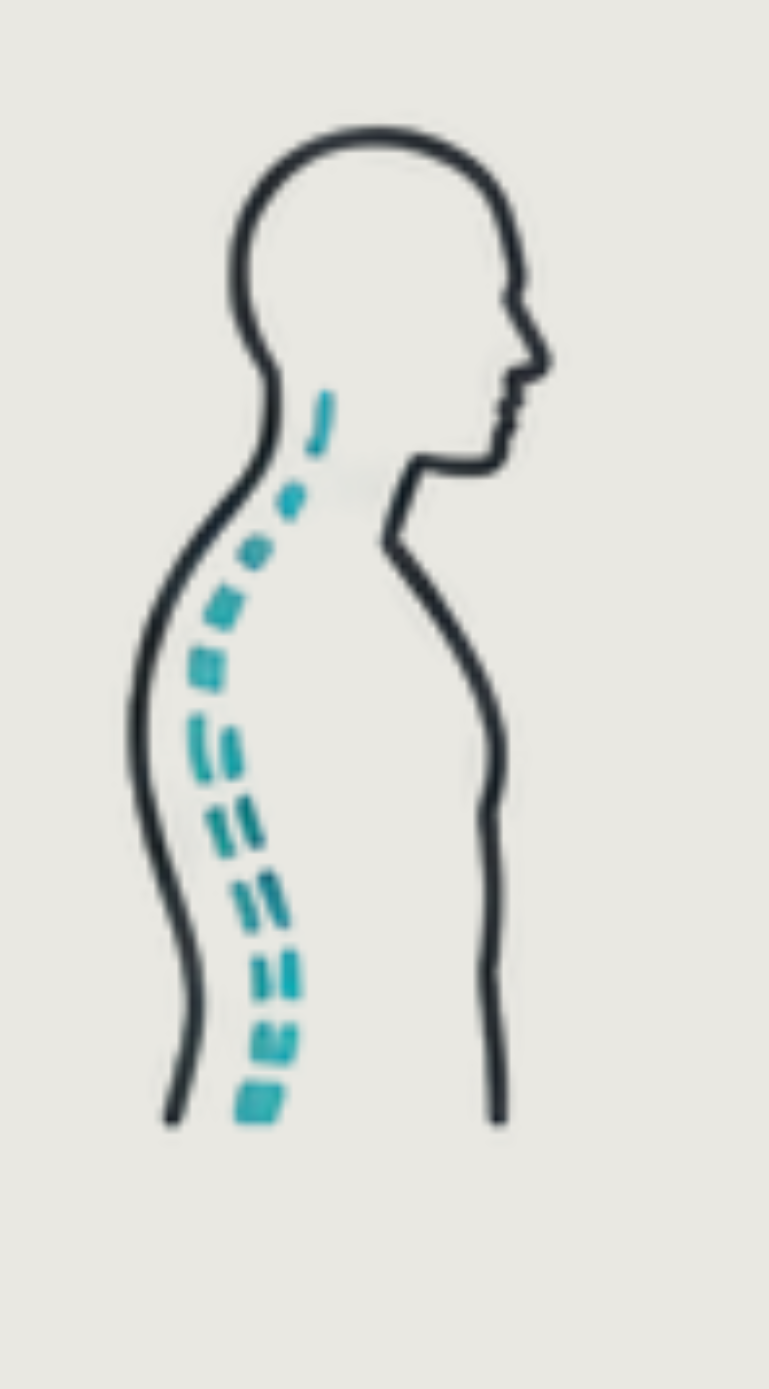
Postural & Movement-Related Pain
Movement-related symptoms may develop gradually through prolonged positions, repetitive strain, reduced mobility, muscular tension, or changes in activity levels.
• Desk-related pain
• Persistent muscular tension
• Movement restrictions
• Postural overload symptoms
• Mobility-related discomfort
Not Sure Where Your Symptoms Fit?
Assessment helps build a clearer understanding of your symptoms, movement, and recovery goals so treatment and rehabilitation can be tailored appropriately to you.
A Personal Approach To Care
A message from Arjun Mehra - Osteopath & Physiotherapist
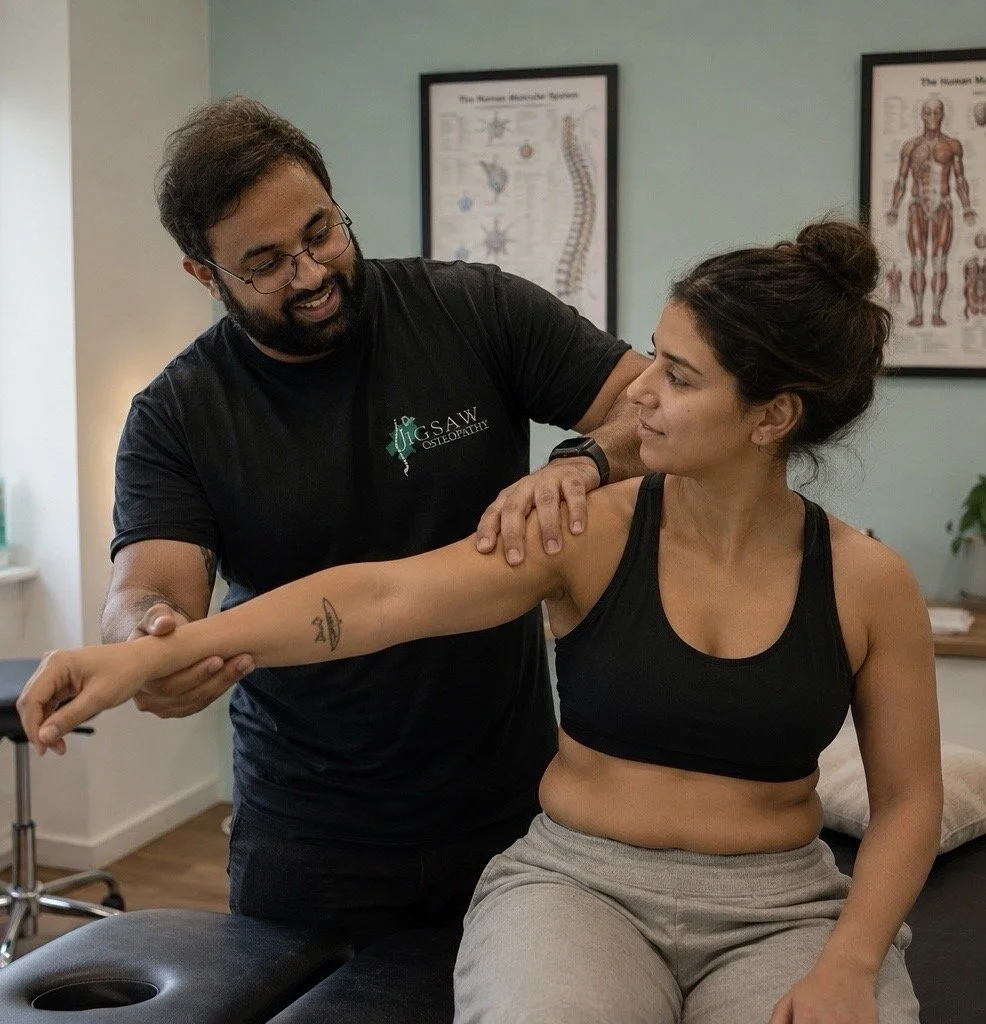
“Over more than a decade in clinical practice, I’ve learned that pain and injury rarely exist in isolation. How your body moves, how you train, work, rest, and manage stress can all influence how symptoms develop and how they recover.
Rather than focusing on one area alone, I look at how different parts of the body interact alongside lifestyle and movement factors that may be contributing to symptoms. This allows treatment and rehabilitation to feel more tailored, relevant, and sustainable.
My approach has been shaped through experience across private practice, NHS settings, specialist clinics, and community work - where listening properly often matters just as much as hands-on treatment.
Every session is tailored to the individual. The goal isn’t simply to reduce pain, but to help you better understand your body, rebuild confidence in movement, and feel supported throughout recovery.
If I feel another clinician, specialist, or service would be better placed to support your needs, I’ll always be honest about that and help guide you in the right direction. Good care isn’t about keeping people coming back unnecessarily, it’s about helping people access the support that’s most appropriate for them.
This is a safe, inclusive, and non-judgemental space. Everyone arrives at a different point in their journey, and my role is to meet you where you are - with care, respect, and compassion.”
- Arjun Mehra - Osteopath & Physiotherapist
What Patients Say
GET IN TOUCH
Ready to Get Started?
Whether you’re dealing with pain, stiffness, injury, or simply want to move better, we’re here to help. Get in touch and we’ll guide you in the right direction.
☎︎︎ Phone: 0203 773 5310
/ 07983 656 671
✉︎︎ Email: info@jigsawosteopathy.com
⌖︎ Clinic location: 70 Seaton Rd, Hayes, UB3 1NU
➜︎ Directions: View on Google Maps →
◷︎ Opening Hours: By Appointment Only | Monday – Thursday | 9am - 7pm
◎︎ Instagram: @osteo.arj
◉︎ Facebook: Jigsaw Osteopathy Clinic