
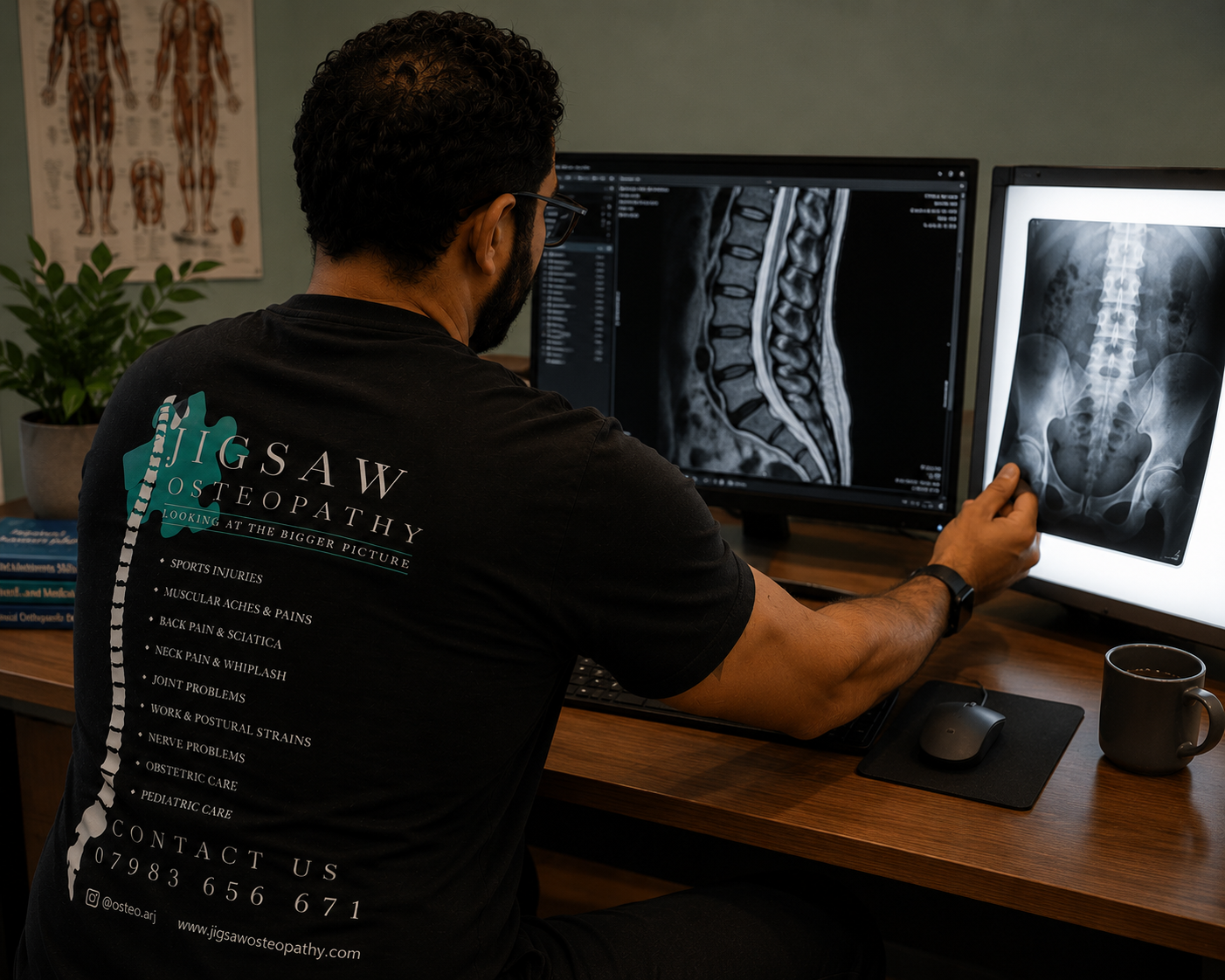
Whether your elbow feels stiff, painful, weak or numb, I'll help identify what's causing your symptoms and find the right treatment to get you back to doing what matters most.
Elbow Pain Treatment in Hayes, West London
Elbow pain can make simple tasks such as lifting a kettle, gripping a tool, opening a jar or training at the gym surprisingly difficult. The aim is to understand what is causing your symptoms, reduce your pain and help you regain strength and movement. Sometimes elbow symptoms, particularly numbness, tingling or weakness may come from the neck or nerves further up the arm. So a thorough assessment looks beyond the painful area before deciding on the most appropriate treatment.
Types of Elbow pain
Not all elbow pain feels the same. Some elbows are painful with gripping or lifting, while others become stiff, weak or numb. Some symptoms develop gradually, while others follow a fall or sudden injury. Understanding which pattern best matches your symptoms is an important first step towards finding the right treatment.
Elbow Navigation
The Painful Elbow
If your elbow hurts when gripping, lifting or twisting, you’re not alone. These symptoms can make everyday activities such as carrying shopping, opening jars, using tools or training at the gym much more difficult.
The most common causes are tendon-related problems on the outside or inside of the elbow, known as tennis elbow and golfer’s elbow. Pain at the back of the elbow may also involve the triceps tendon, particularly after repeated pressing, pushing or throwing movements.
Although these conditions can feel similar, the painful area, aggravating movements and most appropriate treatment may be different. Part of a thorough assessment is identifying which structures are involved and what may be placing too much demand on them.
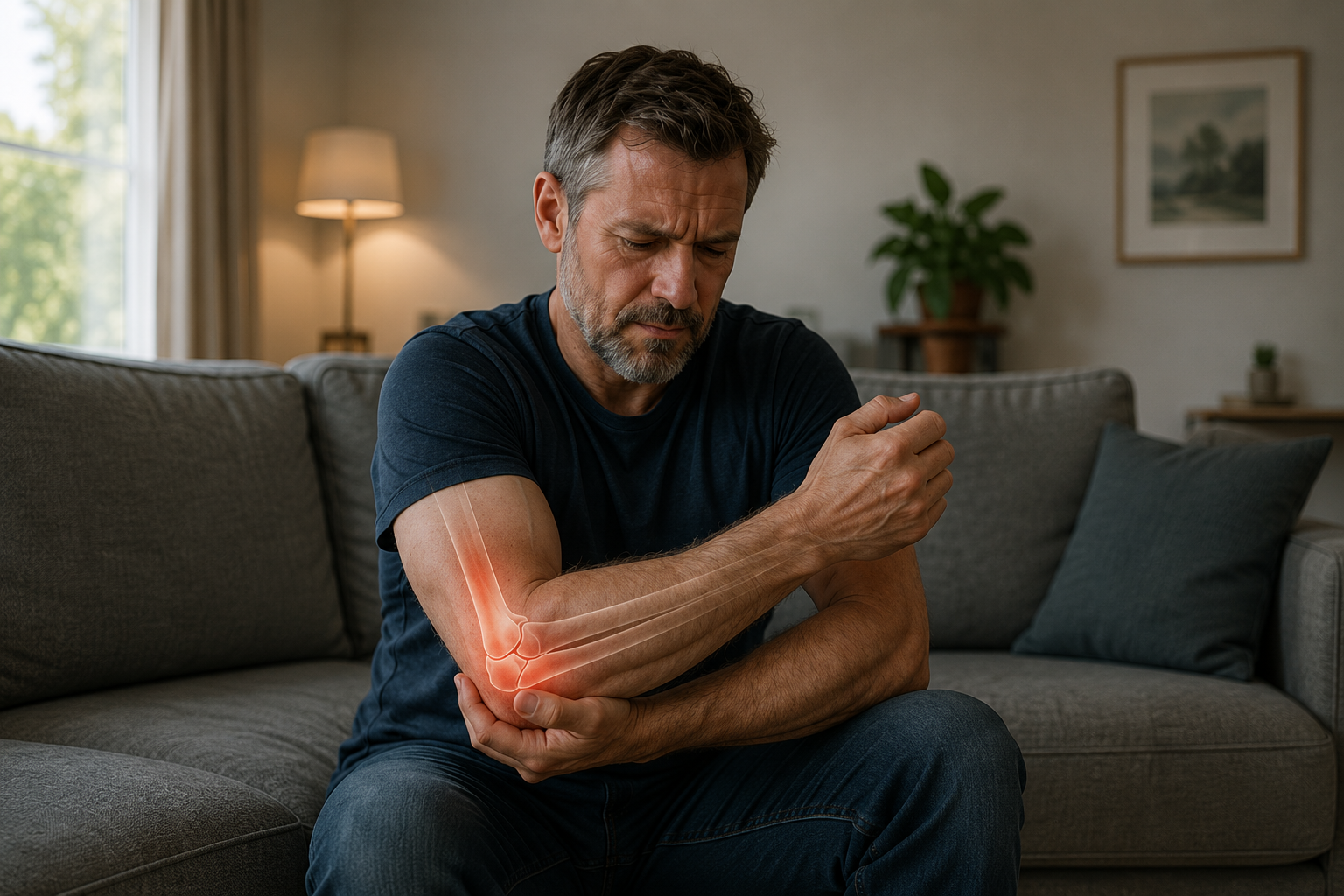
Common signs of a painful elbow include:
Pain when gripping or lifting
Tenderness on the inside, outside or back of the elbow
Pain when twisting the forearm or opening jars
Symptoms that gradually worsen with repeated use
Tennis Elbow (Lateral Epicondylalgia)
Tennis elbow is one of the most common causes of pain on the outside of the elbow. It develops when the tendons that help extend your wrist and fingers become irritated after being exposed to more load than they can comfortably manage. Despite its name, most people who develop tennis elbow have never played tennis.
Symptoms often develop gradually rather than after one specific injury. Pain is usually felt on the outside of the elbow and is often worse when gripping, lifting, shaking hands, opening jars or carrying shopping. Activities such as manual work, weight training, DIY, gardening and repetitive computer use can all contribute.
Golfer’s Elbow (Medial Epicondylalgia)
Golfer's elbow is a similar condition, but it affects the tendons on the inside of the elbow rather than the outside. Again, despite the name, you don't need to play golf to develop it. It's commonly seen in people whose work, hobbies or sport involve repetitive gripping, lifting or wrist movements.
Pain is usually felt on the inside of the elbow and may become worse when lifting, carrying, gripping tools, twisting objects or bending the wrist against resistance. Like tennis elbow, symptoms often build gradually over time rather than starting after a single injury.
Triceps Tendinopathy
Triceps tendinopathy affects the tendon at the back of the elbow where the triceps muscle attaches. It's less common than tennis or golfer's elbow but is often seen in people who regularly perform repeated pushing movements, such as bench pressing, dips, overhead pressing or manual work involving forceful pushing.
Pain is usually felt at the back of the elbow and is often aggravated by pushing movements, pressing yourself up from a chair, or straightening the arm against resistance. Symptoms typically develop gradually as the tendon becomes overloaded, rather than after one specific injury.
Olecranon Bursitis (Student's Elbow)
Olecranon bursitis occurs when the small fluid-filled sac over the tip of the elbow becomes irritated and swollen. It can develop after a knock to the elbow, repeated leaning on hard surfaces, prolonged pressure or, occasionally, without an obvious cause. Less commonly, the bursa can become infected.
The most noticeable feature is swelling over the back of the elbow, which may or may not be be painful. Some people notice tenderness when leaning on the elbow or discomfort during movement, while others are mainly concerned by the size of the swelling.
The Stiff Elbow
If your elbow feels stiff or you can't fully bend, straighten or rotate your arm, it may be due to changes within the joint itself or the surrounding tissues. Stiffness often develops gradually over time but can also occur after an injury or surgery. Everyday activities such as eating, washing your hair, turning a key or lifting objects can become surprisingly difficult when elbow movement is restricted.
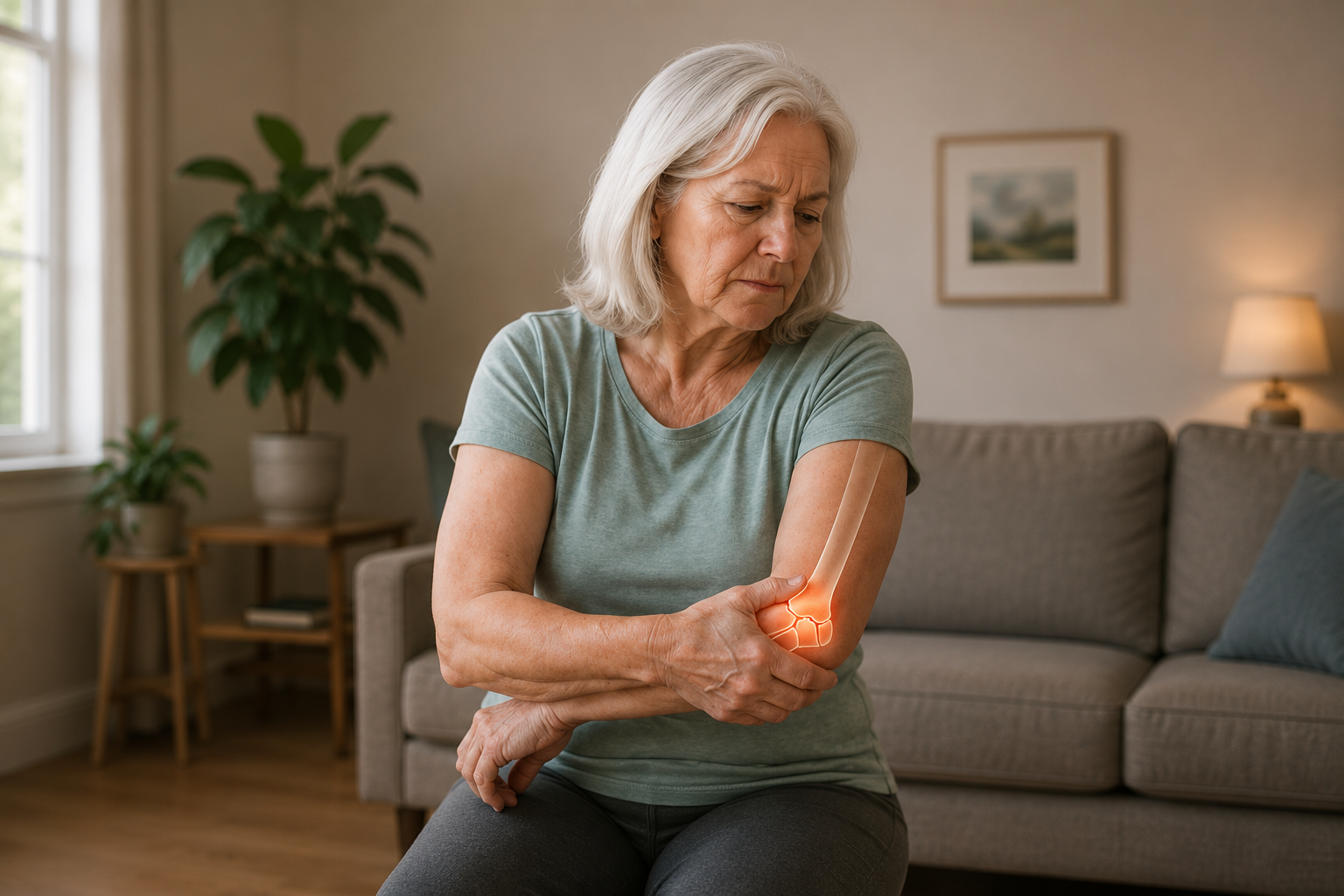
Common signs of a stiff elbow include:
Difficulty fully bending or straightening the elbow
Pain or stiffness after periods of rest
Difficulty turning your palm up or down
Clicking, catching or a feeling that the joint is restricted
Reduced movement affecting everyday activities
Elbow Osteoarthritis
Elbow osteoarthritis occurs when the cartilage within the elbow joint gradually wears over time. Although it's less common than arthritis in the hips or knees, it can develop following previous injuries, repetitive heavy manual work, or simply as part of the ageing process.
People often notice stiffness, particularly first thing in the morning or after periods of rest, alongside discomfort when bending or straightening the elbow. Some may also experience clicking, catching or a gradual loss of movement that makes everyday tasks more difficult.
Post-Traumatic Elbow Stiffness
Following a fracture, dislocation or significant elbow injury, it's common for the joint to become stiff as it heals. Scar tissue can develop around the joint, making it difficult to fully bend or straighten the elbow, even after the original injury has settled.
The amount of stiffness can vary from person to person and may affect everyday activities such as washing your hair, eating, lifting objects or reaching overhead. In some cases, movement gradually improves with time, while others may continue to notice ongoing restrictions.
Reduced Forearm Rotation
Sometimes the elbow itself isn't particularly painful, but turning your palm up or down becomes restricted. This movement comes from the joints between the radius and ulna in the forearm and can become limited following injury, arthritis or prolonged periods of immobility.
People often notice difficulty turning a key, using a screwdriver, carrying a tray, or rotating their hand to receive change. It may feel as though the arm simply won't turn as far as it used to, even if the pain itself is relatively mild.
THE ELBOW WITH NUMBNESS OR WEAKNESS
Not all elbow problems cause pain alone. If you've noticed numbness, tingling or weakness in your hand or forearm, it could be related to irritation of one of the nerves that passes around the elbow or an injury affecting the muscles and tendons. In some cases, symptoms felt around the elbow can even be referred from the neck, which is why a thorough assessment is important.
You may notice:
Tingling or numbness in the ring and little fingers
Weakness when gripping or lifting objects
Symptoms that are worse when the elbow is bent for long periods
Pain, tingling or weakness travelling into the forearm or hand
A sudden loss of strength after feeling a pop in the front of the elbow
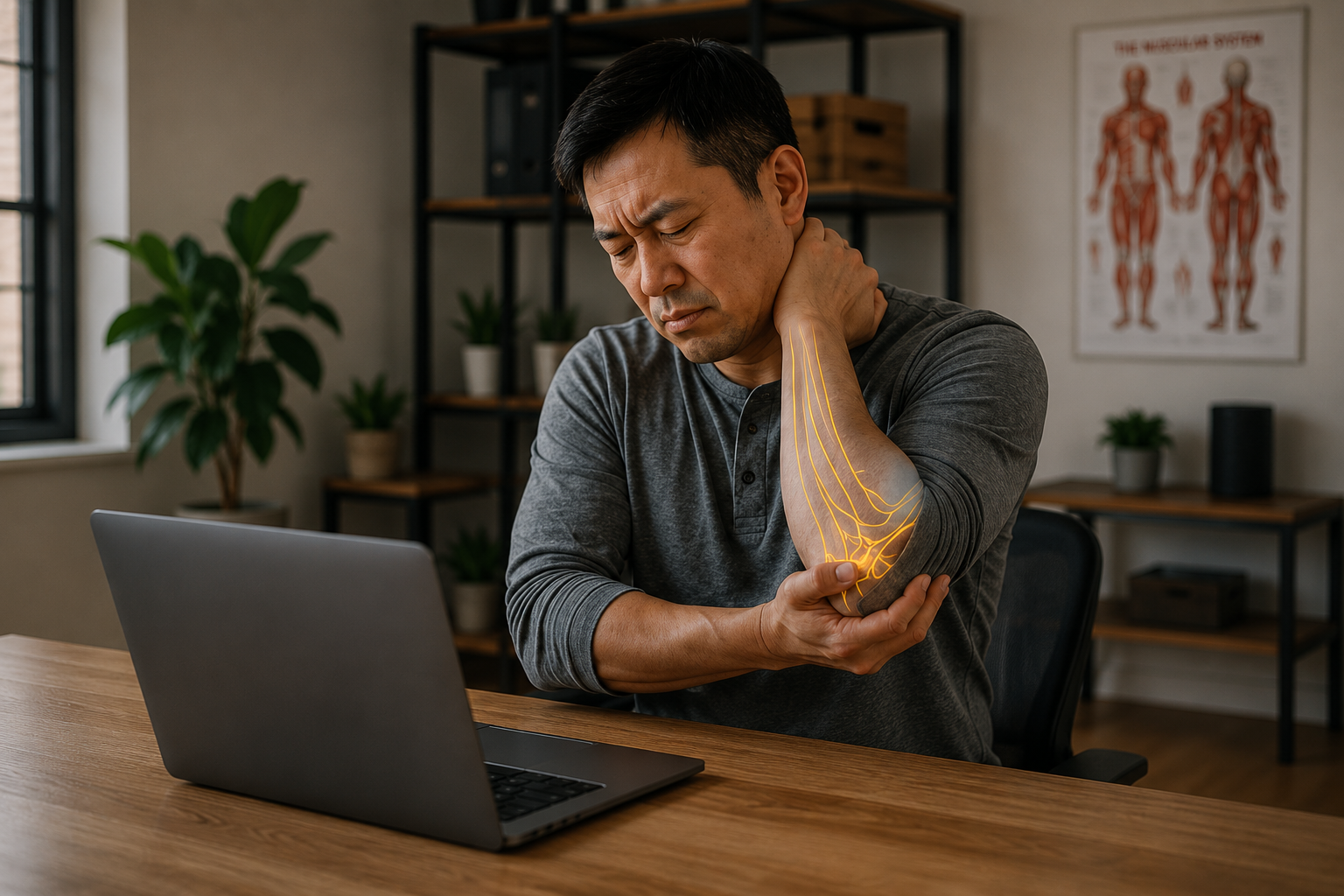
Cubital Tunnel Syndrome
Cubital tunnel syndrome occurs when the ulnar nerve becomes irritated or compressed as it passes around the inside of the elbow. This nerve supplies sensation to the little finger and half of the ring finger, so irritation can cause numbness, tingling and weakness in the hand.
Symptoms are often worse when the elbow is bent for long periods, such as when talking on the phone, sleeping or driving. Some people also notice a weaker grip or find themselves dropping objects more frequently.
Distal Biceps Tendon Rupture
A distal biceps tendon rupture occurs when the tendon attaching the biceps muscle to the forearm partially or completely tears. It most commonly happens during a sudden heavy lift, particularly when trying to catch or lower a heavy object.
People often describe hearing or feeling a pop at the front of the elbow, followed by pain, bruising and weakness. Bending the elbow and turning the palm upwards may become noticeably more difficult, and some people develop a visible change in the shape of the biceps muscle.
THE INJURED OR UNSTABLE ELBOW
An elbow injury can occur suddenly following a fall, sporting accident or direct impact. Depending on the severity of the injury, damage can occur to the ligaments, bones or other soft tissues that help keep the joint stable. Prompt assessment is important, particularly if you've experienced significant swelling, deformity or difficulty moving the elbow after an injury.

You may notice:
Pain following a fall or direct impact
Swelling or bruising around the elbow
A feeling that the elbow is unstable or may give way
Difficulty moving or putting weight through the arm
A visible deformity following a more significant injury
Elbow Ligament Injuries
The ligaments around the elbow help keep the joint stable during everyday activities and sport. They can become sprained or torn following a fall, repetitive throwing sports or a sudden twisting injury. Symptoms often include pain, swelling and a feeling of instability, particularly during pushing or throwing movements.
Elbow Dislocations
An elbow dislocation occurs when the bones of the elbow are forced out of their normal position, usually following a fall onto an outstretched hand. This is a painful injury that often causes immediate swelling, deformity and an inability to move the elbow normally.
Elbow Fractures
Fractures around the elbow can affect the upper arm, forearm or the bony tip of the elbow itself. They commonly occur following a fall or direct blow and usually cause immediate pain, swelling and difficulty using the arm. Some fractures require urgent medical assessment and imaging to determine the most appropriate management.
Elbow Pain at the Gym
Elbow pain is one of the most common reasons people reduce or stop going to the gym, but it doesn't always mean you have to.
Whether you're struggling with bicep curls, tricep extensions, bench press, pull-ups, dips or gripping heavy weights, elbow pain is often the result of training load, exercise technique, repeated strain or simply asking more of the tissues than they're currently prepared for.
Completely avoiding the gym is rarely the answer. In many cases, the goal is to understand what's irritating the elbow, make temporary modifications where needed, and gradually rebuild strength and confidence so you can return to training safely.
During your assessment, we'll look at what's causing your symptoms, which exercises are provoking them, and discuss practical ways to keep you training where possible while your elbow recovers.
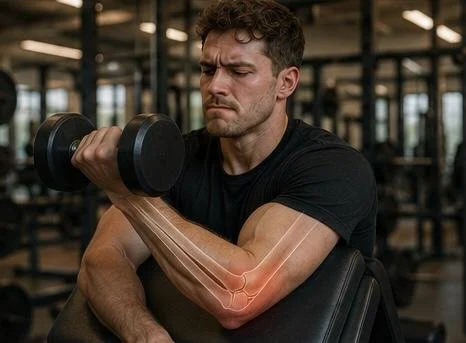
You might notice elbow pain when:
Pain on the outside of the elbow during bicep curls or pull-ups
Pain on the inside of the elbow when gripping heavy weights
Pain at the back of the elbow during bench press, dips or tricep extensions
Pain when gripping barbells, dumbbells or kettlebells
Symptoms that linger after training or flare up the following day
Elbow Pain at Work
Elbow pain can make everyday work surprisingly difficult, particularly if your job involves repetitive gripping, lifting, carrying or using tools throughout the day. Office-based work can also contribute, especially when prolonged keyboard or mouse use aggravates the muscles and tendons around the elbow.
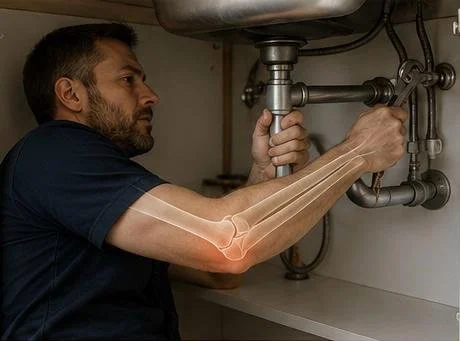
Common signs include:
Pain when gripping tools or carrying equipment
Discomfort when lifting, pushing or pulling
Pain after repetitive keyboard or mouse use
Symptoms that build throughout the working day
Difficulty performing your usual job because of elbow pain
Whether you work in construction, plumbing, electrical work, hairdressing, healthcare, an office environment or another physically demanding role, understanding what's causing your symptoms is the first step towards finding the right treatment. The goal is to help reduce your pain and get you back to doing your job as comfortably and confidently as possible.
After Elbow Surgery
Recovering from elbow surgery can sometimes feel just as challenging as the injury itself. Whether you've had a distal biceps tendon repair, cubital tunnel release, ligament reconstruction, fracture fixation or an elbow replacement, the right rehabilitation plays an important role in helping you regain movement, strength and confidence.
You may benefit from rehabilitation if you're:
Recovering from a distal biceps tendon repair
Recovering after cubital tunnel release surgery
Recovering from an elbow fracture or ligament reconstruction
Struggling with pain, stiffness or weakness after surgery
Looking to return to work, sport or everyday activities
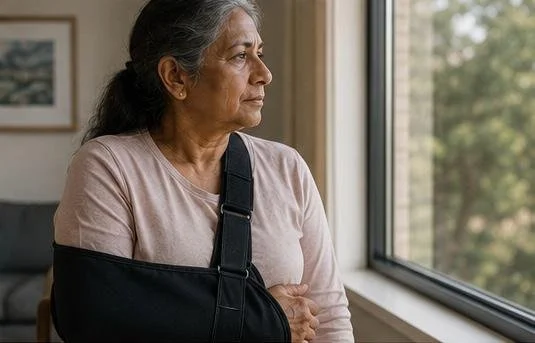
Recovery takes time, and every operation is different. I'll work closely with your surgeon's rehabilitation guidelines to help you progress safely, regain function and get back to the activities that matter most.
What Patients Say
Elbow FAQs
-
They're both tendon-related conditions, but they affect different sides of the elbow. Tennis elbow causes pain on the outside of the elbow, while golfer's elbow affects the inside. Despite their names, you don't need to play either sport to develop them.
-
Not usually. Most elbow problems can be diagnosed through a thorough clinical assessment, looking at your symptoms, movement and medical history. Scans are generally recommended if there's been significant trauma, a suspected tendon rupture or fracture, or if your symptoms aren't improving as expected.
-
Shockwave therapy can be an effective treatment option for some long-standing tendon conditions, including tennis elbow and golfer's elbow. However, it isn't suitable for every type of elbow pain, which is why the first step is always identifying what's causing your symptoms. If it's appropriate for your condition, we'll discuss whether it could form part of your treatment plan.
-
In many cases, yes. Completely avoiding the gym isn't usually necessary, and staying active is often an important part of recovery. The aim is to identify which movements are irritating your elbow, make temporary modifications where needed, and help you return to training safely.
-
Yes. Although the pain may be felt around the elbow, the source of the problem isn't always the elbow itself. Irritation of the neck or the nerves travelling into the arm can sometimes cause pain, tingling, numbness or weakness around the elbow. That's why your assessment looks at the whole arm, not just the elbow.
-
Most elbow conditions improve without surgery. However, certain injuries, such as some tendon ruptures, fractures or ligament injuries, may require a surgical opinion. If I feel further investigations or a referral are needed, I'll explain your options and help guide you through the next steps.
Not Sure What's Causing Your Elbow Pain?
Every Elbow problem is different, so treatment starts with understanding what's causing your symptoms. Once we've identified the source of your symptoms, I'll explain what's most likely causing them and recommend the treatment that's most appropriate for you.
You don't need to know exactly what's wrong before booking an appointment , that's what the assessment is for.
👉 Learn more about what to expect from treatment
GET IN TOUCH
Ready to Get Started?
Whether you’re dealing with pain, stiffness, injury, or simply want to move better, we’re here to help. Get in touch and we’ll guide you in the right direction.
☎︎︎ Phone: 0203 773 5310
/ 07983 656 671
✉︎︎ Email: info@jigsawosteopathy.com
⌖︎ Clinic location: 70 Seaton Rd, Hayes, UB3 1NU
➜︎ Directions: View on Google Maps →
◷︎ Opening Hours: By Appointment Only | Monday – Thursday | 9am - 7pm
◎︎ Instagram: @osteo.arj
◉︎ Facebook: Jigsaw Osteopathy Clinic