
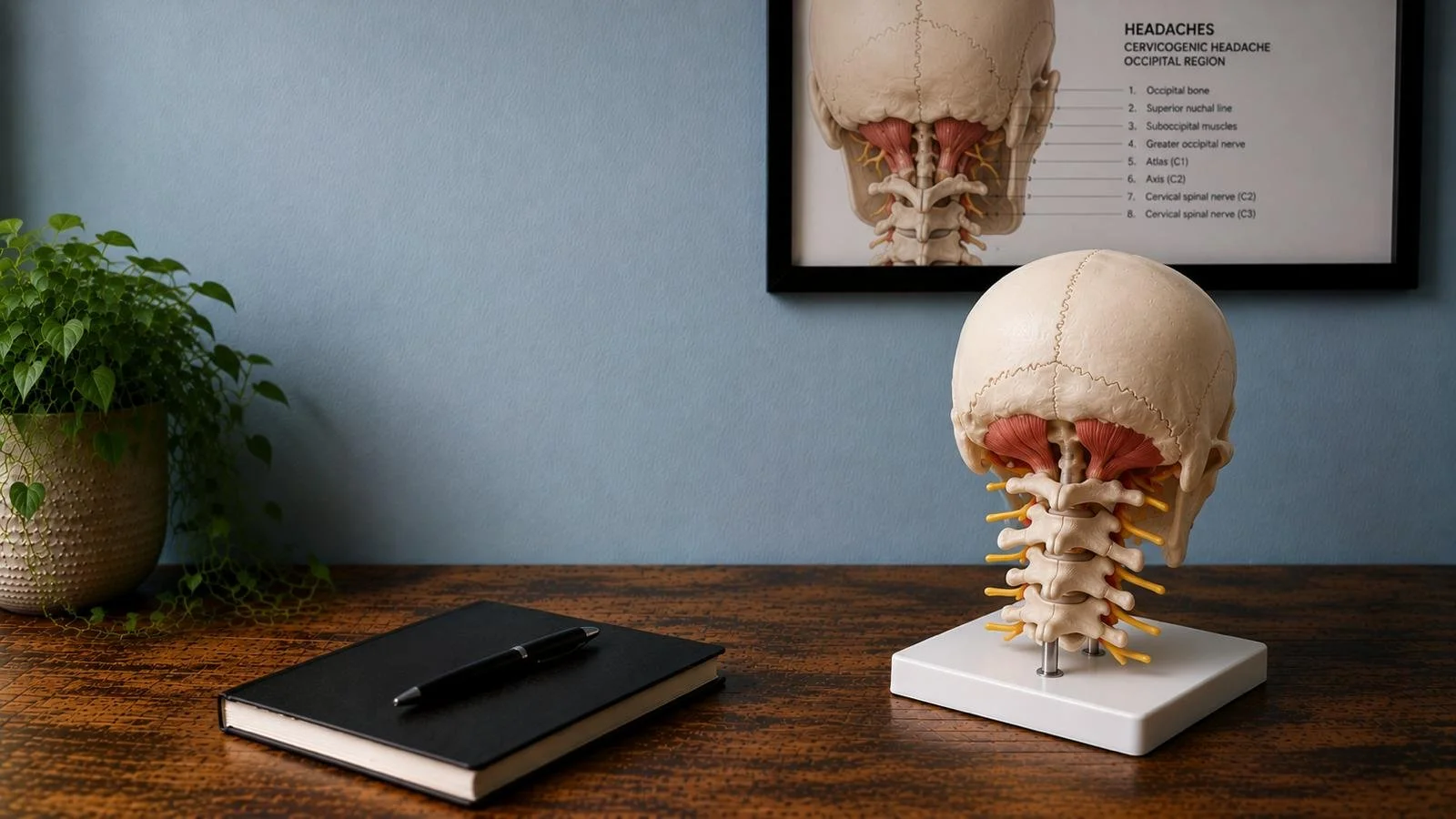
Headaches & Migraine Treatment in Hayes, West London
Whether headaches are affecting work, sleep, concentration or everyday life, a thorough assessment can help identify whether the neck, joints or surrounding muscles may be contributing, with treatment tailored to help ease your symptoms and improve comfortable movement.
Headaches can affect almost every part of daily life - concentrating at work, looking at a screen, sleeping properly or simply getting through the day without reaching for painkillers. Some come on suddenly, while others build gradually or keep returning in a familiar pattern.
Headache describes a symptom rather than a single condition. Different types of headache can behave very differently, while symptoms may sometimes be influenced by the neck, jaw, sleep, stress or other factors.
Who you'll see
You'll be seen by Arjun Mehra, dual-qualified osteopath and chartered physiotherapist. Your treatment and rehabilitation come from the same person, start to finish, with over a decade of experience helping people reduce pain and stay active.
Appointments usually available within 48 hours, Monday - Thursday.
Tension-Type Headaches
Tension-type headaches are among the most common types of headache. They're often described as a dull ache, pressure or tight band around the head, rather than the throbbing or pulsating pain more commonly associated with migraine.
Pain may be felt across the forehead, around the temples or towards the back of the head and neck. Some people also notice tightness or tenderness through the neck, shoulders or muscles around the scalp, particularly during periods when headaches are more frequent.
Tension-type headaches can occur occasionally or become much more frequent. Long periods of screen or desk work, changes in sleep, stress and fatigue may all influence symptoms in some people, although there isn't always one obvious trigger.
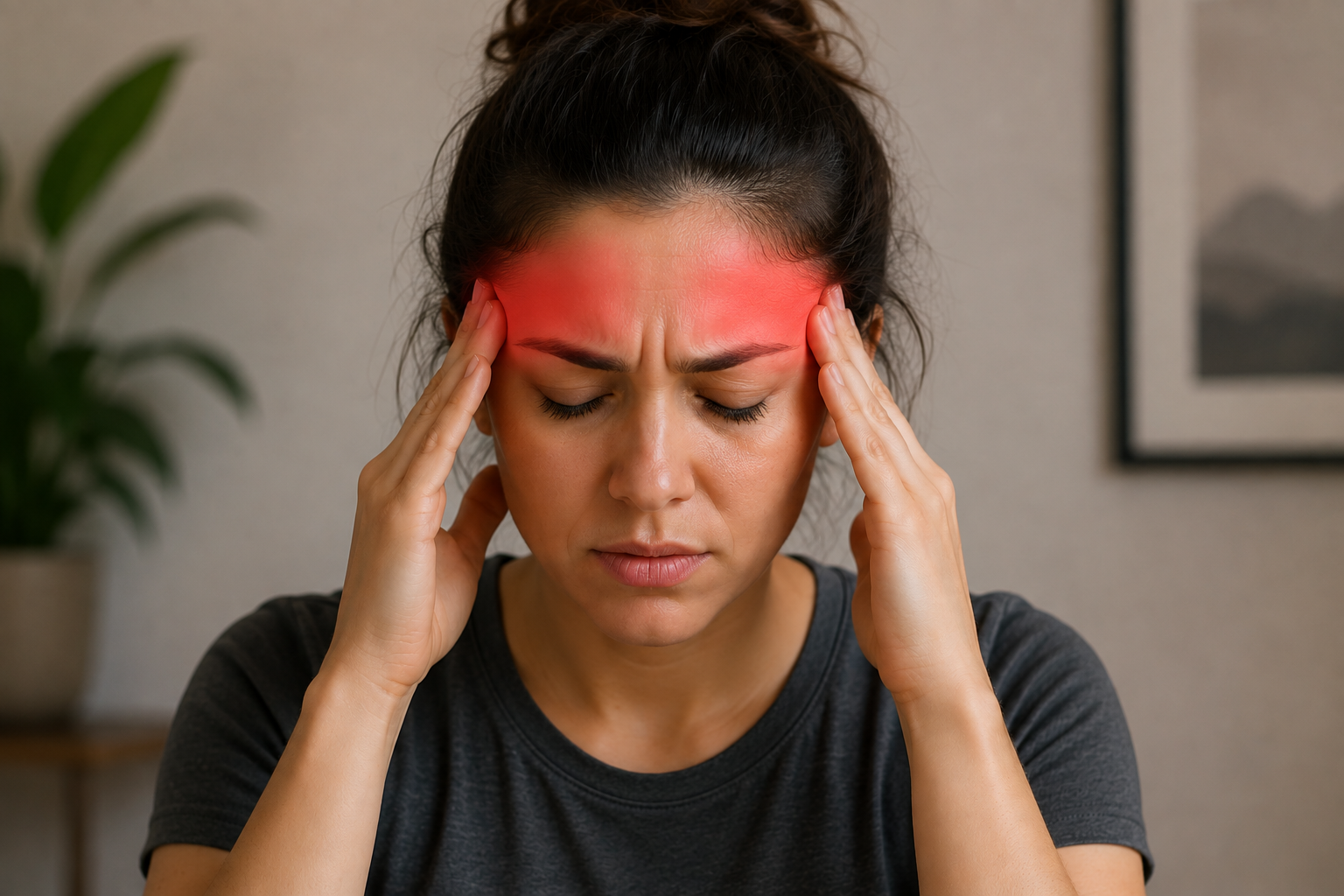
You may notice:
Dull, aching or pressure-like pain
A feeling of tightness or a “band” around the head
Pain affecting both sides of the head
Tenderness around the scalp, neck or shoulders
Neck and shoulder tension alongside your headache
Symptoms building during a long or stressful day
Headaches associated with prolonged desk or screen work
Managing Tension-Type Headaches
Management depends on the individual and how their headaches behave. Where neck or upper-back stiffness, muscular tension or movement appears relevant, hands-on treatment may be used alongside exercise and strategies to improve movement and physical capacity. Acupuncture or dry needling may also be incorporated where appropriate and, as with all treatment, will only be used after discussing it with you and with your consent.
It's also worth looking beyond the painful area. Sleep, stress, work demands, prolonged screen time, physical activity and recovery can all influence headache patterns for some people, so these may form part of the conversation where relevant.
Cervicogenic (Neck-Related) Headaches
A cervicogenic headache is a headache where pain originates from structures within the neck but is felt in the head. Because the nerves supplying the upper neck and parts of the head share closely connected pathways, pain arising from the cervical spine can sometimes be experienced around the base of the skull, side of the head, forehead or around the eye.
These headaches are often associated with neck pain or stiffness and may be aggravated by certain neck movements or spending prolonged periods in one position. Some people notice that their headache consistently begins around the neck or base of the skull before spreading forwards.
This is different from simply having neck tension during another headache disorder. Migraine, for example, can also cause neck pain and stiffness, which is why the overall pattern of symptoms matters rather than assuming every headache accompanied by neck pain is cervicogenic.
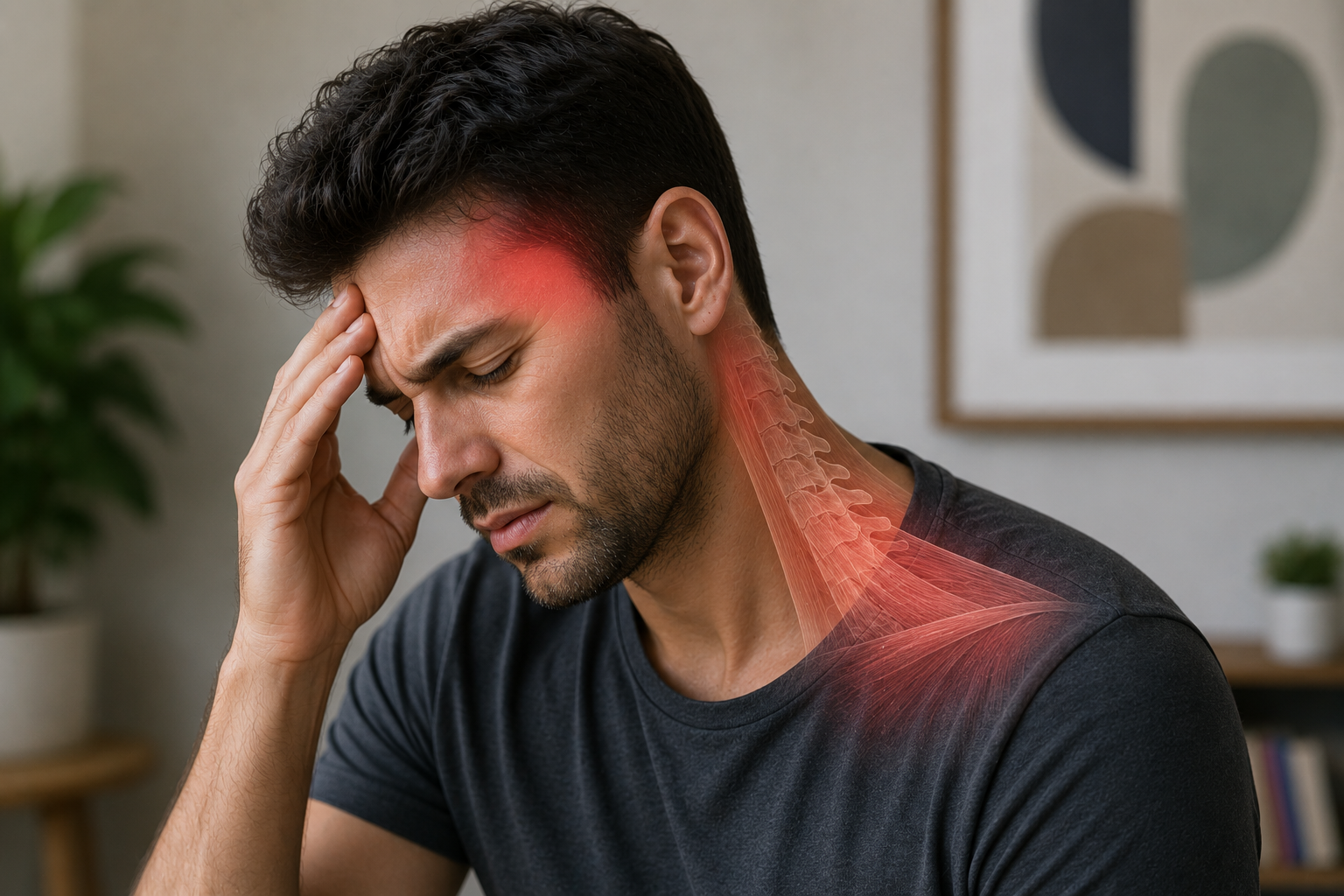
You may notice:
Headache beginning around the neck or base of the skull
Pain spreading towards the temple, forehead or around the eye
Headache predominantly affecting one side
Neck pain or stiffness alongside the headache
Reduced or uncomfortable neck movement
Symptoms aggravated by particular neck movements or prolonged positions
Tenderness around the upper neck or base of the skull
Treating Neck-Related Headaches
Where the neck is contributing to your headaches, treatment may include joint mobilisation or manipulation, soft tissue techniques and other hands-on approaches to help with pain and movement where appropriate. Acupuncture or dry needling may also be incorporated into treatment where appropriate and if you're comfortable with it.
This can be combined with exercise and rehabilitation addressing neck and upper-back mobility, strength and control, alongside practical factors such as desk work, ergonomics, activity and the positions that appear to aggravate your symptoms.
Migraine
Migraine is a neurological condition, and the headache itself is only one part of the picture. Migraine attacks can vary considerably between people and may involve throbbing or pulsating head pain alongside symptoms such as nausea, sensitivity to light or sound, visual disturbances and difficulty concentrating.
Some people experience aura before or during an attack, which can include visual changes, altered sensation or difficulty with speech. Others experience migraine without aura.
Neck pain and stiffness are also very common during migraine. For some people they may occur before, during or after an attack, and this can make it difficult to distinguish migraine-related neck symptoms from headaches primarily originating from the neck.
Migraine can also be influenced by a range of individual factors. Sleep, stress, changes in routine, hydration, meals, hormonal changes and other personal triggers may play a role, although triggers vary considerably and aren't always identifiable.
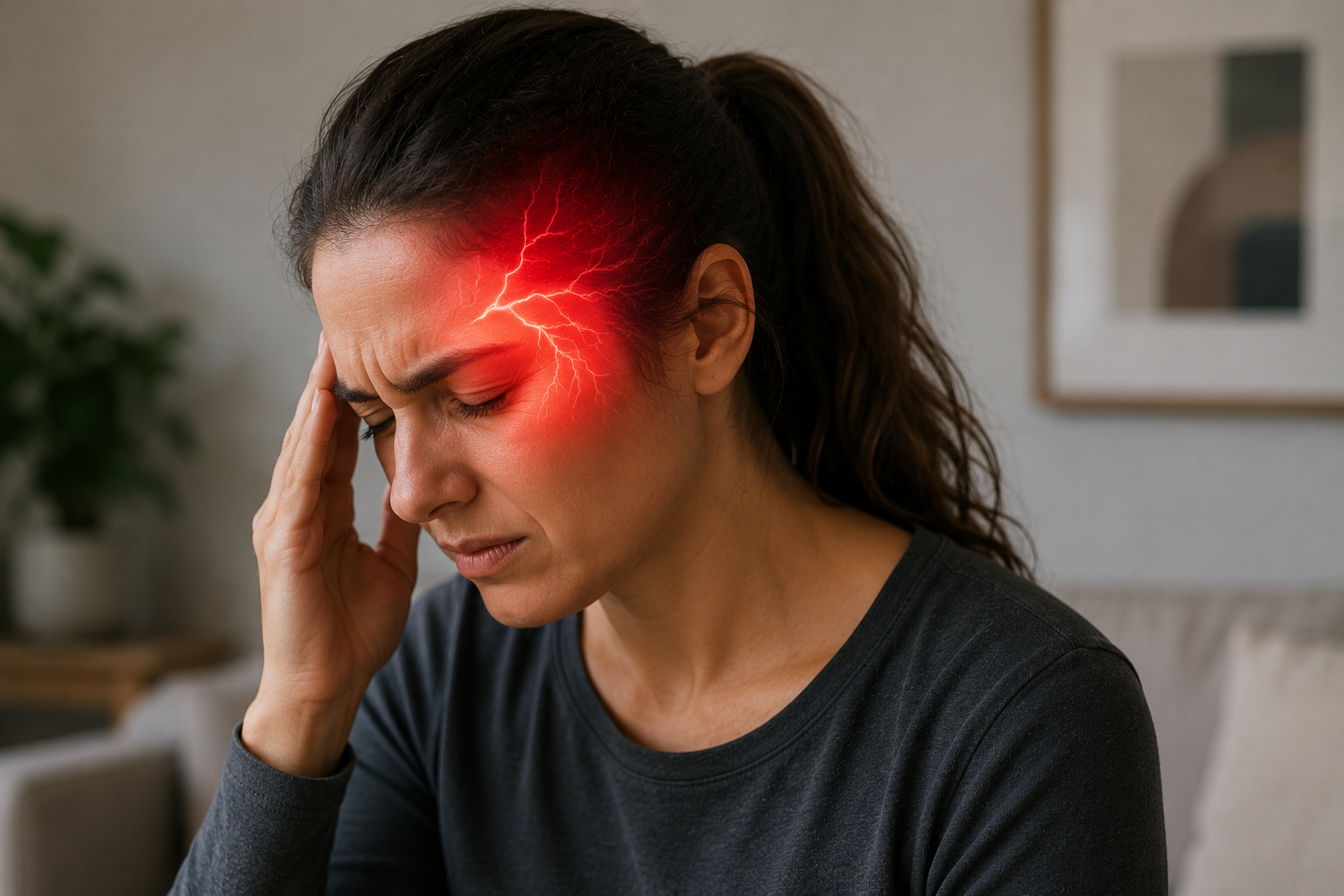
You may notice:
Throbbing or pulsating head pain
Pain that is often, but not always, predominantly on one side
Nausea or vomiting
Sensitivity to light, sound or smells
Neck pain or stiffness around an attack
Visual or sensory symptoms associated with aura
Symptoms aggravated by normal physical activity
Fatigue, difficulty concentrating before, during or after an attack
Supporting People With Migraine
Migraine management is individual, and there isn't one treatment or trigger that applies to everyone.
Where neck pain, stiffness, muscular tension or jaw symptoms form part of your migraine presentation, treatment may include hands-on therapy, exercise and rehabilitation to help manage these associated musculoskeletal symptoms. Acupuncture may also be incorporated as part of your migraine management where appropriate, following discussion and with your consent.
We can also look at your broader migraine pattern, including sleep, stress, activity, recovery and any triggers you've identified and help you find practical strategies that fit around your life.
For people experiencing frequent or more severe migraine, treatment may form one part of a broader management plan alongside medication or care from your GP or headache specialist.
Jaw, TMJ & Headaches
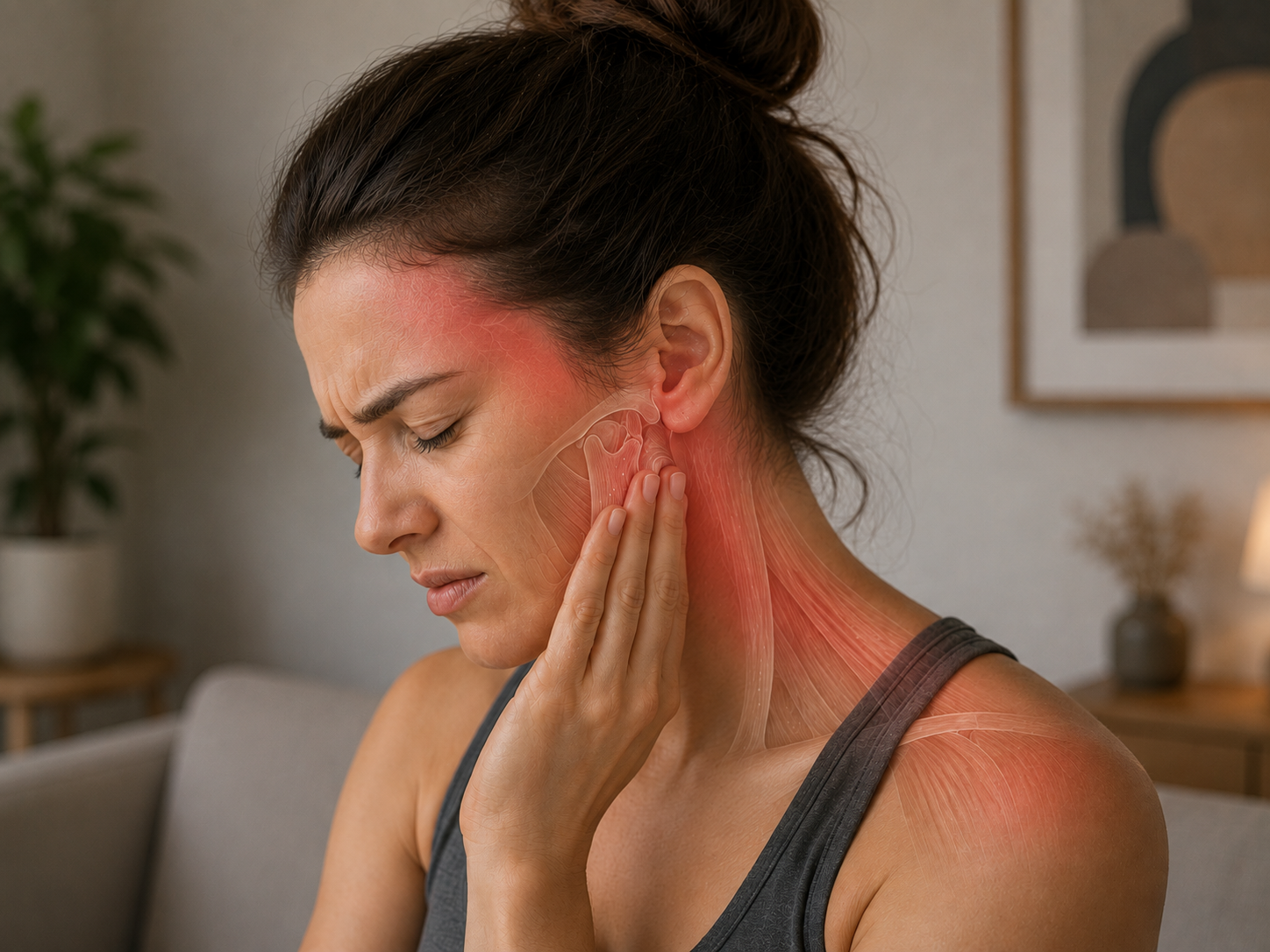
The temporomandibular joints (TMJs) connect the jaw to the skull and work alongside the muscles responsible for chewing, speaking and opening and closing the mouth. Problems affecting the jaw — often grouped under the term temporomandibular disorders (TMD) — can sometimes occur alongside headaches and facial pain.
People who clench or grind their teeth, particularly during periods of stress or while sleeping, may experience increased tension or tenderness through the muscles around the jaw and temples. Headaches may be felt around the temples, side of the head, face or around the ear, sometimes alongside jaw aching, clicking or difficulty opening the mouth comfortably.
The jaw and neck also share closely related muscular and neurological connections, so jaw symptoms, neck symptoms and headaches can sometimes overlap.
You may notice:
Headaches around the temples or side of the head
Jaw aching or tenderness alongside headaches
Clenching or grinding your teeth
Clicking or popping around the jaw
Pain or fatigue when chewing
Difficulty opening your mouth comfortably
Tenderness around the temples or muscles of the jaw
Neck pain or stiffness alongside jaw symptoms and headaches
Where jaw symptoms appear relevant, treatment may include hands-on techniques to the muscles and joints around the jaw, alongside treatment of the neck and upper back where appropriate.
Exercise, jaw movement and strategies around clenching, habits and aggravating activities may also form part of management. Where dental assessment or another healthcare professional would be more appropriate, this can also be discussed.
For much more information about jaw pain, clicking, clenching and TMD, see our TMJ & Jaw Pain page.
When to Seek Medical Attention for a Headache
Most headaches aren't caused by anything serious. However, a new, sudden or significantly different headache should sometimes be medically assessed rather than assumed to be coming from the neck or muscles.
Seek urgent medical attention for:
A sudden, extremely severe headache that reaches maximum intensity very quickly
A headache following a significant head injury
Headache alongside new weakness, numbness, facial drooping, difficulty speaking, confusion or loss of consciousness
Headache with fever and marked neck stiffness, particularly if you feel very unwell
A new severe headache alongside significant visual disturbance or loss of vision
A new or rapidly worsening headache that is very different from your usual headache pattern
If you're unsure whether a new headache needs medical assessment, it's safer to seek appropriate medical advice rather than assuming it is musculoskeletal.
What Patients Say
Headache & Migraine FAQs
-
Different headache types can share similar symptoms, so the location of the pain alone doesn't always tell you what's causing it.
The quality of the pain, how long headaches last, how frequently they occur, associated symptoms, neck or jaw symptoms and what seems to trigger or relieve them can all help identify the pattern.
If your headache presentation doesn't appear appropriate for musculoskeletal treatment, further medical assessment may be recommended.
-
Yes. Cervicogenic headaches originate from structures within the neck and refer pain into the head. They're often associated with neck pain, stiffness or reduced movement.
However, neck pain can also occur as part of other headache disorders, including migraine, so having a stiff or painful neck doesn't automatically mean that the neck is causing your headache.
-
Muscular tenderness and tension around the neck, shoulders and head can occur alongside tension-type headaches and other headache presentations.
However, headaches aren't always best understood as simply having one “tight muscle”. Looking at the wider picture — including movement, activity, work, sleep, stress and other symptoms — can often be more useful.
-
Clenching and grinding can increase the load placed on the jaw joints and muscles around the jaw and temples and may contribute to headaches or facial pain in some people.
If headaches occur alongside jaw pain, clicking, tenderness, tooth grinding or difficulty opening your mouth, the jaw may be worth assessing as part of the overall picture.
-
High blood pressure usually doesn't cause headaches, particularly when blood pressure is only mildly or moderately raised. Headaches therefore aren't a reliable way of knowing whether your blood pressure is high.
However, very severely elevated blood pressure can sometimes be associated with headache and other symptoms, particularly during a hypertensive emergency. If a severe or unusual headache occurs alongside symptoms such as chest pain, shortness of breath, confusion, significant visual changes or neurological symptoms, urgent medical assessment is important.
If you're concerned about your blood pressure, the best way to know whether it's elevated is to have it measured rather than relying on symptoms alone.
-
Yes, osteopathy and physiotherapy can form part of migraine management, particularly where neck pain, stiffness, muscular symptoms or other musculoskeletal factors occur alongside migraine.
Depending on your individual presentation, management may include hands-on treatment, exercise and rehabilitation, as well as looking at factors relevant to your migraine pattern. Acupuncture may also be incorporated where appropriate and with your consent.
This can sit alongside medication and medical management where these are needed.
-
Acupuncture can form part of the management of tension-type headaches and migraine for some people.
Where appropriate, it may be incorporated alongside other approaches such as hands-on treatment, exercise, rehabilitation and advice around factors that may influence your headaches.
Acupuncture isn't something you have to have. It will always be discussed with you beforehand and only used with your consent.
-
Most people with a typical, stable headache pattern don't automatically need a scan. Whether further investigation is appropriate depends on your symptoms, medical history, examination and whether there are features that suggest another cause needs to be excluded.
If your presentation raises concerns or doesn't appear appropriate for musculoskeletal management, you'll be advised to seek the appropriate medical assessment.
-
Yes. Stress and changes in sleep can influence several headache disorders, including tension-type headache and migraine, although the effect varies considerably between individuals.
Rather than assuming stress is “the cause”, it can be useful to look at whether changes in sleep, workload, recovery or stress appear to coincide with changes in your headache pattern.
-
For many people, regular physical activity can remain an important part of overall headache and migraine management. What feels appropriate during an active headache or migraine attack will vary depending on your symptoms.
If exercise seems to trigger your headaches, that doesn't necessarily mean exercise needs to be avoided altogether. Looking at the type, intensity and timing of exercise, alongside your wider headache pattern, may help identify a more appropriate way to stay active.
Not Sure What's Causing Your Headache ?
Headaches can have many different causes, and not every headache is related to the neck, jaw, muscles or joints.
You don't need to know what type of headache you have before booking. An assessment can help establish whether musculoskeletal factors may be contributing to your symptoms and whether treatment may be appropriate for you.
GET IN TOUCH
Ready to Get Started?
Whether you’re dealing with pain, stiffness, injury, or simply want to move better, we’re here to help. Get in touch and we’ll guide you in the right direction.
☎︎︎ Phone: 0203 773 5310
/ 07983 656 671
✉︎︎ Email: info@jigsawosteopathy.com
⌖︎ Clinic location: 70 Seaton Rd, Hayes, UB3 1NU
➜︎ Directions: View on Google Maps →
◷︎ Opening Hours: By Appointment Only | Monday – Thursday | 9am - 7pm
◎︎ Instagram: @osteo.arj
◉︎ Facebook: Jigsaw Osteopathy Clinic