
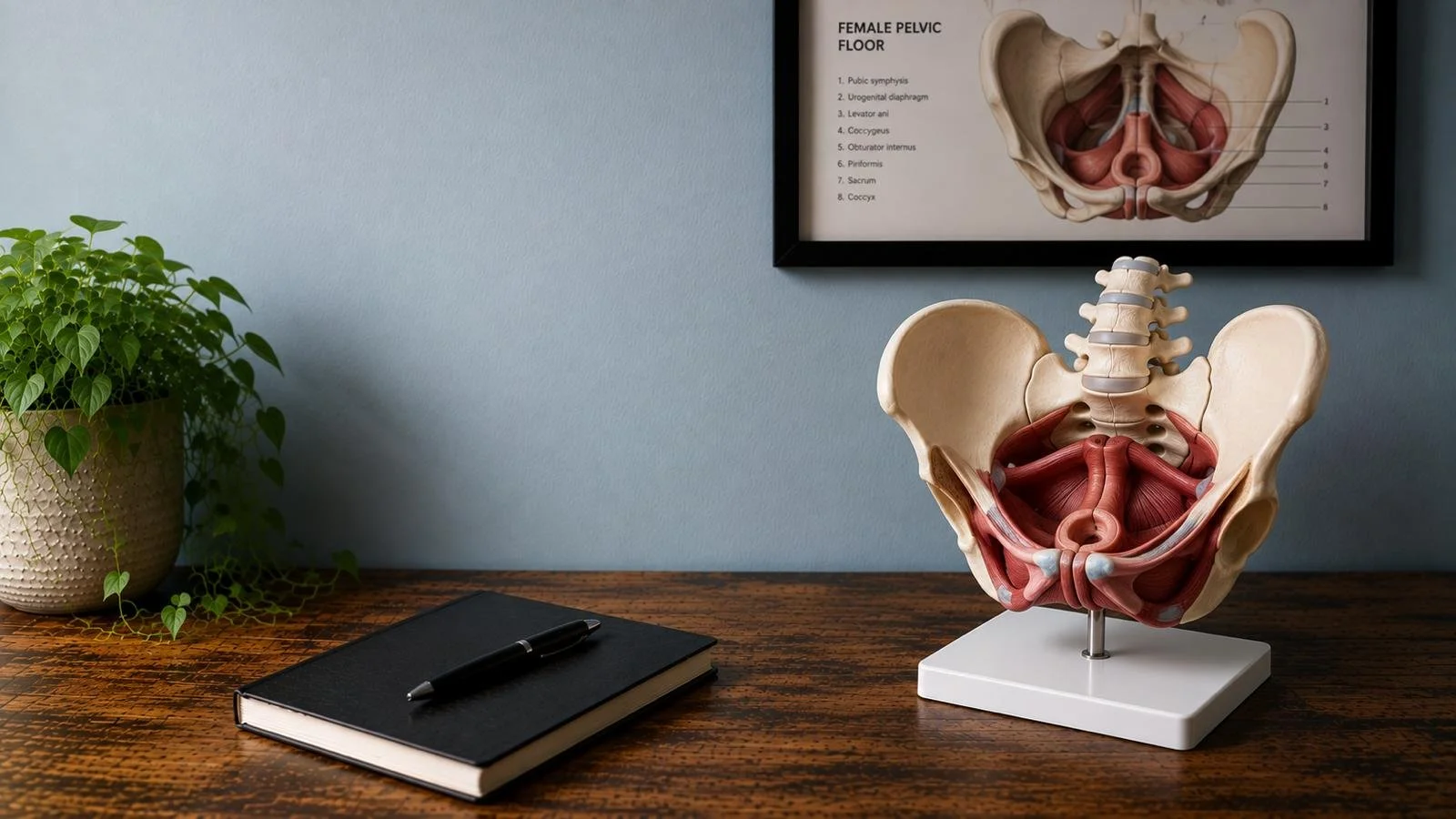
Pregnancy & Postnatal Care in Hayes, West London
Pregnancy and the months after giving birth can place new demands on your body. Whether you're experiencing pelvic girdle pain, back or hip pain, stiffness or difficulty staying active, treatment can be adapted to help you move more comfortably throughout pregnancy and your postnatal recovery.
Supporting You During Pregnancy & After Birth
Pregnancy and the months after birth bring significant changes to your body - changes in weight, movement, posture and the demands placed on the muscles and joints around the pelvis, hips and spine. You may experience symptoms for the first time during pregnancy, notice an existing problem become more troublesome, or find that walking, turning in bed, getting dressed, exercising or standing for longer periods becomes uncomfortable.
Some aches and pains are common during pregnancy, but that doesn't mean you simply have to put up with them. Treatment and exercise can be adapted around your symptoms, stage of pregnancy or postnatal recovery and the activities you're finding difficult.
Who you'll see
You'll be seen by Arjun Mehra, dual-qualified osteopath and chartered physiotherapist. Your treatment and rehabilitation come from the same person, start to finish, with over a decade of experience helping people reduce pain and stay active.
Appointments usually available within 48 hours, Monday - Thursday.
During Pregnancy
Pregnancy brings significant changes to your body as it adapts to support your growing baby. Some people experience very few musculoskeletal symptoms, while others develop new aches and pains or notice that an existing problem becomes more noticeable as pregnancy progresses.
Common areas of discomfort include the lower back, pelvis, hips, upper back and ribs, although symptoms can also affect areas such as the wrists, hands, feet and ankles.
Why Can Aches & Pains Develop During Pregnancy?
There usually isn't one single explanation. Pregnancy involves a combination of physical, hormonal and lifestyle changes, and the way your body responds will be different for everyone.
As pregnancy progresses, you may experience changes in:
Body weight and centre of gravity - as your baby grows, the way your body balances and distributes load gradually changes.
Posture and movement - your body naturally adapts to your changing shape and the increasing demands of pregnancy.
Walking pattern (gait) - changes in how you walk can alter the demands placed on the lower back, pelvis, hips and legs.
Muscles around the trunk and pelvis - the abdominal wall and surrounding muscles adapt as your pregnancy progresses.
Hormones and connective tissues - hormonal changes can influence tissues around the joints, although this doesn't mean your joints simply become “unstable”.
Everyday activities and recovery - sleep, work, exercise and movements such as walking, climbing stairs, getting dressed or turning in bed can all feel different.
These changes don't mean that pain is inevitable. But when symptoms do develop, looking at where you hurt, how you're moving and which activities are becoming difficult can help us understand what may be contributing.
Staying Active During Pregnancy
For many people, continuing to move and exercise during pregnancy is both possible and beneficial, although what feels comfortable and appropriate may change as pregnancy progresses.
If pain is making walking, exercising, working or everyday activities more difficult, the answer isn't necessarily to stop everything. Activity and exercise can often be modified around your symptoms and stage of pregnancy, while working on movement and strength where appropriate.
The aim is to help you remain as comfortable, confident and active as possible throughout your pregnancy.
Pregnancy-Related Pain
Aches and pains can develop at different stages of pregnancy and may affect much more than just the lower back. As your body adapts, changes in load, movement, gait and the physical demands placed on different areas can contribute to symptoms around the pelvis, hips, spine and elsewhere.
Symptoms can vary considerably between people. Some experience a relatively localised ache or stiffness, while others find that pain begins to affect walking, sleeping, working, exercising or everyday movements.
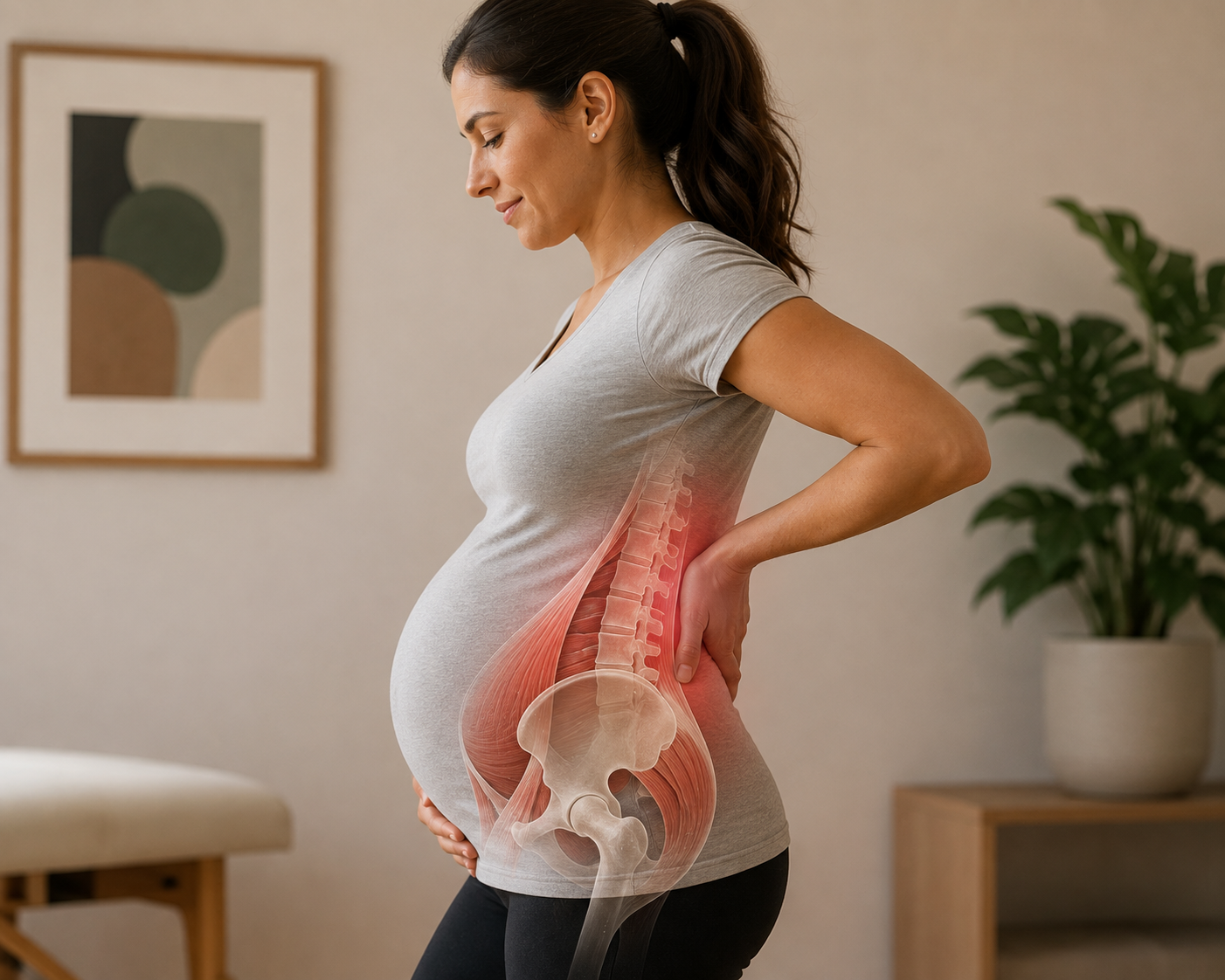
You may notice:
Pain around the lower back, pelvis or buttocks
Pain around the pubic bone or groin
Discomfort when walking or climbing stairs
Pain when turning over in bed
Difficulty standing on one leg, such as when getting dressed
Hip or gluteal pain
Upper-back or rib discomfort
Numbness, tingling or discomfort in the hands or wrists
Foot or heel pain
Difficulty keeping up with your usual exercise or activities
Pelvic Girdle Pain (PGP / SPD)
Pelvic girdle pain (PGP) is a common term used to describe pain experienced around the joints and tissues of the pelvis during pregnancy. You may also have heard it called SPD (symphysis pubis dysfunction), particularly when symptoms are felt towards the front of the pelvis.
Pain can be experienced around the pubic bone, groin, hips, buttocks or the sacroiliac (SI) joint region at the back of the pelvis. Some people experience symptoms predominantly on one side, while others notice pain across several areas.
Activities that place different demands through either side of the pelvis can sometimes become particularly uncomfortable. This is why symptoms may be noticeable when walking, climbing stairs, standing on one leg, getting dressed, getting in and out of the car or turning over in bed.
PGP isn't simply a case of the pelvis becoming “unstable” or moving out of alignment. Changes in load, movement, muscle function and the demands placed on the pelvis can all contribute to how comfortably the area is able to tolerate everyday activity.
Lower Back & SIJ-Region Pain
Lower-back pain is common during pregnancy and can range from a relatively localised ache or stiffness to symptoms extending towards the buttocks or posterior pelvis.
As pregnancy progresses, changes in body weight, centre of gravity, posture and movement can alter the demands placed on the lumbar spine, pelvis and surrounding muscles. Changes in walking pattern and the way you perform everyday activities may also influence how these areas feel.
Pain around the sacroiliac joint (SIJ) region may be felt towards one or both sides of the back of the pelvis and can sometimes become more noticeable with walking, standing, changing position or other weight-bearing activities.
The aim isn't simply to identify one structure as being “out of place”, but to understand which movements and loads are aggravating your symptoms and what helps you move more comfortably.
Hip & Gluteal Pain
Pain around the hips and buttocks can also develop during pregnancy. Symptoms may be felt around the outside of the hip, deeper within the buttock or around the muscles surrounding the pelvis.
Changes in walking, sleeping positions, activity levels and the loads passing through the hips and pelvis may all play a role. For some people, lying on one side becomes particularly uncomfortable, while others notice symptoms during walking, stairs or exercise.
Assessment can help distinguish whether symptoms appear to be coming predominantly from the hip, surrounding muscles and tendons, lower back or pelvic region, as these areas can sometimes produce similar patterns of pain.
Upper Back & Rib Pain
As your body changes throughout pregnancy, discomfort can also develop around the mid and upper back, ribs and surrounding muscles.
Changes in body shape, breast size, posture and the position of the rib cage can alter the demands placed on the thoracic spine and surrounding tissues. Symptoms may become noticeable during sitting, sleeping, certain movements or deeper breathing, and some people describe feeling particularly stiff or restricted around the ribs and upper back.
Heartburn and acid reflux are also common during pregnancy. While treatment isn't aimed at treating the underlying cause of reflux, hands-on techniques around the thoracic spine, rib cage and surrounding areas can be incorporated to help with associated tension, restriction or discomfort.
Carpal Tunnel Syndrome During Pregnancy
Pregnancy can sometimes lead to numbness, tingling, aching or altered sensation in the hand and fingers, particularly as fluid changes increase pressure within the carpal tunnel at the wrist.
Symptoms commonly affect the thumb, index, middle and part of the ring finger and may be particularly noticeable at night or first thing in the morning. Some people also notice weakness, clumsiness or difficulty gripping objects.
Management will depend on the severity and behaviour of your symptoms and may include advice, movement or exercise and strategies to reduce irritation around the wrist and hand.
Foot & Ankle Pain During Pregnancy
The feet and ankles also have to adapt to changes in body weight, balance, gait and activity throughout pregnancy.
Some people develop aching through the feet or ankles, while others experience plantar heel pain / plantar fasciitis, particularly when walking or standing for longer periods.
Changes in footwear, activity and the way load is distributed through the foot can also influence symptoms.
Where foot or ankle pain is limiting your walking or activity, we can assess what's contributing and adapt treatment and exercise around your pregnancy.
Postnatal Pain & Recovery
After giving birth, your body continues to adapt and recover from the physical changes of pregnancy and birth. At the same time, you're suddenly dealing with a completely new set of demands, feeding, carrying, lifting, disrupted sleep and caring for your baby, often while your own recovery is still taking place.
Some pregnancy-related symptoms settle relatively quickly, while others may persist after birth. New problems can also develop as your activity changes and your body adapts to the repetitive demands of looking after a baby.
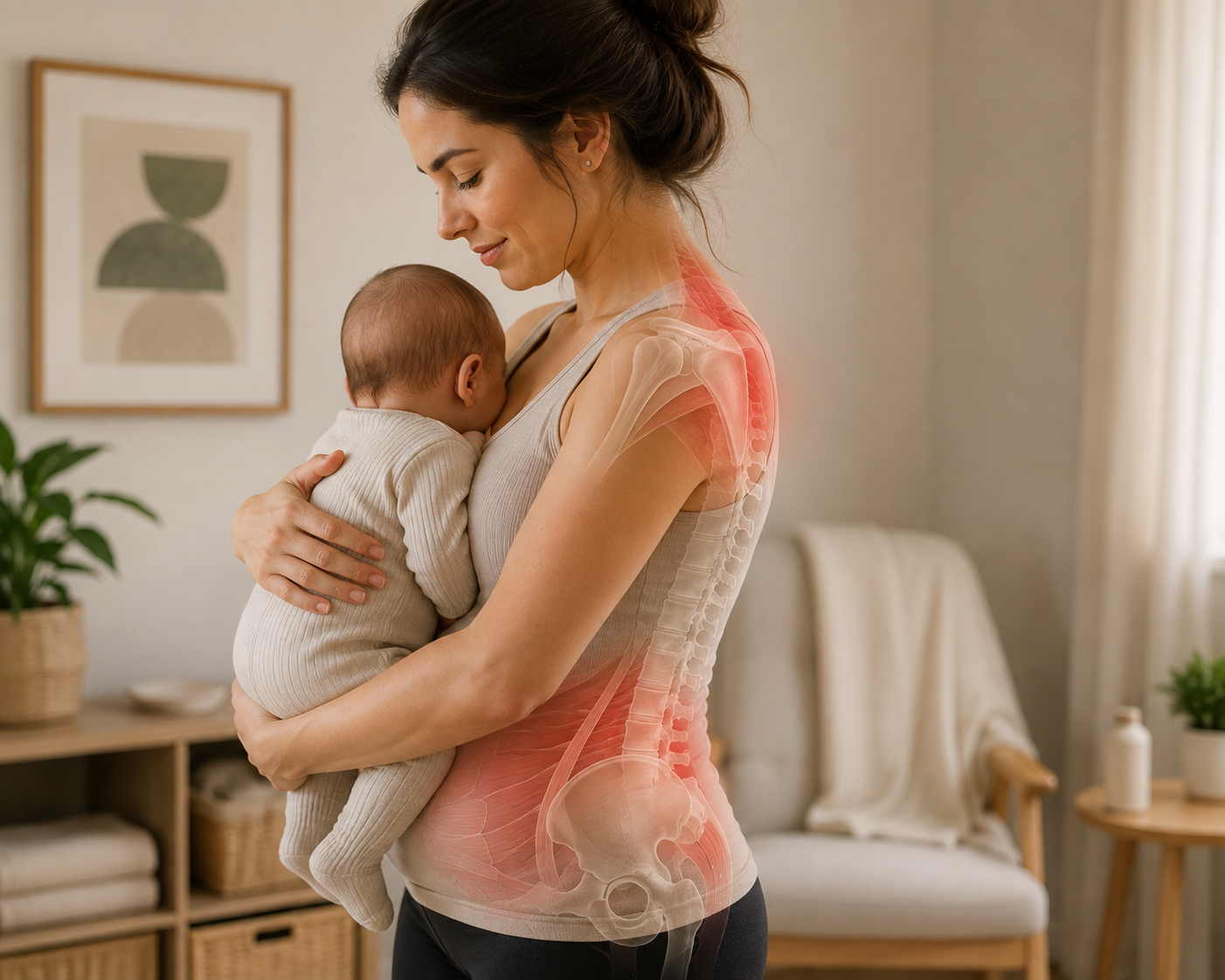
You may notice:
Persistent lower-back or pelvic pain
Pain around the hips, buttocks or SIJ region
Neck, shoulder or upper-back pain during feeding or carrying
Wrist or thumb pain when lifting or holding your baby
Changes around the abdominal wall or a persistent abdominal separation
Feeling weaker or less confident through your trunk and core
Difficulty returning to walking, exercise, running or the gym
Aches and stiffness associated with feeding, carrying and disrupted sleep
Postnatal recovery is different for everyone. Rather than expecting your body to simply “bounce back”, the aim is to help you recover comfortably, rebuild strength and gradually return to the activities that matter to you.
Pelvic Girdle & Lower Back Pain
Pelvic girdle or lower-back pain doesn't always disappear immediately after giving birth. Symptoms that developed during pregnancy may continue for a period afterwards, while some people notice new discomfort as they begin moving more and adapting to the demands of caring for their baby.
Pain may be felt around the lower back, buttocks, SIJ region, pubic area or hips and can affect activities such as walking, lifting, carrying or getting up and down from the floor.
Recovery can involve gradually rebuilding movement, strength and tolerance to load, alongside hands-on treatment.
Diastasis Recti & Abdominal Wall Recovery
During pregnancy, the abdominal wall naturally stretches and adapts as your baby grows. This can result in increased separation between the two sides of the rectus abdominis muscles, commonly known as diastasis recti or abdominal separation.
Some degree of separation is very common during and immediately after pregnancy, and the presence of a gap doesn't necessarily mean that your abdominal muscles are damaged.
After birth, we can look at more than simply how wide the gap is. How the abdominal wall manages pressure, how your trunk functions during movement and how comfortably you can generate and transfer force can all be useful parts of assessment.
Rehabilitation may involve gradually rebuilding abdominal and trunk strength, control and confidence, then progressing towards the demands of everyday life and the exercise or activities you want to return to.
The aim isn't necessarily to achieve a perfectly “closed” gap. It's to help your abdominal wall function well and become stronger as your recovery progresses.
Neck, Shoulder & Upper-Back Pain
Feeding, holding and carrying a baby can mean spending a lot of time in positions your body isn't accustomed to.
Repeatedly looking down, supporting your baby during feeding, lifting from a cot or changing table and carrying on one side can contribute to discomfort around the neck, shoulders, shoulder blades and upper back.
Treatment can look at the symptomatic areas alongside movement, strength, feeding or carrying positions and ways of varying the loads placed on your body throughout the day.
De Quervain's & Wrist/Thumb Pain
Pain around the thumb side of the wrist is particularly common after having a baby. De Quervain's tenosynovitis affects the tendons that move the thumb and can become irritated as the demands placed on the wrist increase.
Lifting your baby, supporting their head, feeding and repeatedly holding the wrist and thumb in similar positions can all aggravate symptoms.
Management may involve temporarily modifying aggravating movements, supporting the wrist where appropriate and gradually rebuilding the capacity of the affected tendons.
Hip & Pelvic Pain
Hip, gluteal and pelvic symptoms can persist after pregnancy or become noticeable as you begin increasing your activity again.
Changes in strength, movement and the amount of load your body is currently accustomed to can all be relevant, particularly as you return to longer walks, carrying your baby, exercise or more demanding everyday activities.
Assessment can help identify what appears to be contributing and guide a gradual return to comfortable movement and activity with a mixture of hands on treatment and exercise.
Returning to Exercise & Training
Getting back to exercise after having a baby doesn't have to mean jumping straight back into what you were doing before pregnancy.
Whether your goal is to return to walking, the gym, strength training, running or sport, we can gradually rebuild the movement, strength and capacity you need for those activities.
That may involve working on trunk and abdominal strength, hips and legs, general conditioning and progressively increasing load, depending on your starting point and goals.
The aim isn't to rush your recovery or give everybody the same generic postnatal programme. It's to help you progress at a level that's appropriate for you and gradually get back to the activities you enjoy.
How We Help During Pregnancy & Postnatally
Treatment during pregnancy and after birth is always adapted around you, your symptoms and the stage you're at. There's no single pregnancy or postnatal treatment plan - what you need at 20 weeks pregnant may be very different from what you need during the later stages of pregnancy or several months after giving birth.
The first step is understanding where you're experiencing symptoms, what movements or activities are difficult and what you'd like to be able to do more comfortably.
Hands-On Treatment
Hands-on treatment can be particularly useful when pain, muscular tension or stiffness is making everyday movement uncomfortable.
Depending on what we find, treatment may involve a combination of soft tissue techniques, joint articulation, mobilisation and other osteopathic techniques, adapted to your comfort and stage of pregnancy.
This may involve working with areas such as the lower back, pelvis, hips, upper and mid-back, ribs, neck and shoulders, rather than focusing only on the area where you're experiencing pain.
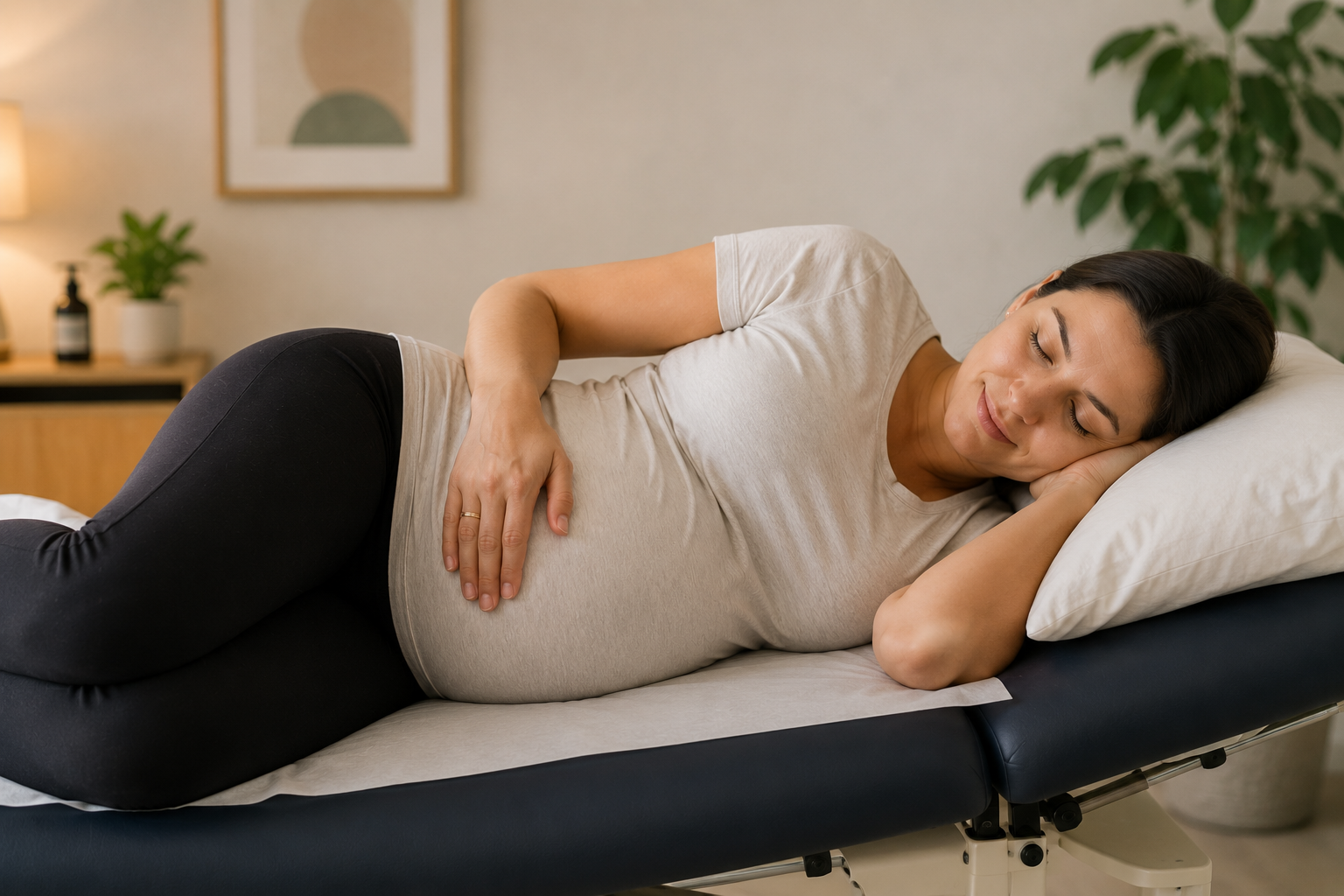
As pregnancy progresses, treatment positions can also be adapted so that you're comfortable — for example, using side-lying, seated or supported positions rather than expecting you to lie in one position throughout treatment.
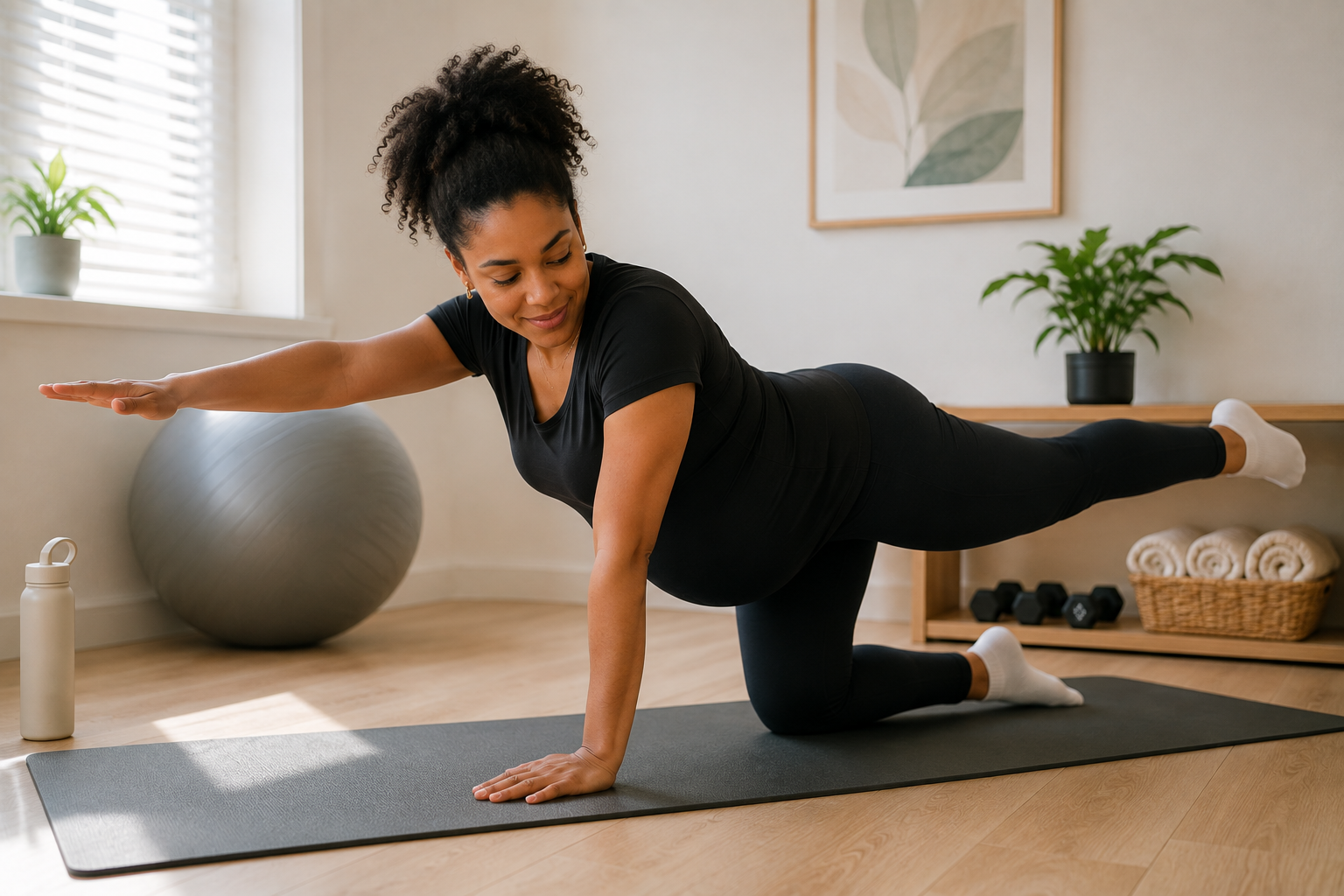
Movement, Exercise & Rehabilitation
Alongside hands-on treatment, movement and exercise can be used to help maintain or rebuild mobility, strength and your ability to tolerate everyday activity.
During pregnancy, this might involve adapting your current exercise, working on areas that need additional strength or mobility, or finding ways to keep you active when pain is making certain movements difficult.
Postnatally, rehabilitation can progress with your recovery and may include rebuilding abdominal and trunk function, hip and lower-body strength, general conditioning and gradually increasing the loads your body needs to manage.
Rather than giving everyone the same generic list of “pregnancy exercises” or “core exercises”, rehabilitation is tailored around what we find and what you want to get back to.
Advice That Fits Around Real Life
Sometimes relatively small changes can make a meaningful difference to how manageable symptoms feel.
Depending on your presentation, we may look at things such as sleeping or feeding positions, lifting and carrying your baby, walking, work, exercise and temporarily modifying activities that are particularly aggravating.
The aim isn't to tell you to stop doing everything that hurts. It's to find practical ways of managing symptoms while keeping you moving and gradually building your body's capacity.
Ultimately, whether you're trying to walk more comfortably during pregnancy, turn over in bed without as much pain, look after your baby more comfortably or return to the gym after giving birth, treatment is built around helping you get back to what matters to you.

What Patients Say
Pregnancy & Postnatal Care FAQs
-
Treatment can be adapted safely during pregnancy. At Jigsaw Osteopathy Clinic, we generally see patients for pregnancy-related treatment after the first trimester.
Your assessment and treatment will take into account how far along you are, how comfortable you are and the symptoms you're experiencing. Hands-on techniques and exercises can be adapted where needed, and you won't be expected to lie in a position that feels uncomfortable.
If you're unsure whether treatment is appropriate for you, you're always welcome to get in touch before booking.
-
We generally begin pregnancy-related treatment after the first trimester. From this point onwards, treatment is adapted to your stage of pregnancy and comfort, with positioning and techniques modified as your pregnancy progresses.
-
No. You don't necessarily have to put up with pain until your baby arrives.
Lower back pain, pelvic girdle pain, hip pain, rib discomfort and other musculoskeletal symptoms can often be assessed and managed during pregnancy. Treatment may include hands-on therapy, movement and exercise, alongside practical advice to help make day-to-day activities more comfortable.
-
Yes. Pelvic girdle pain is a common reason people seek treatment during pregnancy.
We'll look at your symptoms, movement and the activities that are particularly difficult for you. Treatment can then combine appropriate hands-on care with exercises and practical strategies to help you stay as comfortable and active as possible.
-
There isn't one set time that everyone needs to wait. It depends on how you're recovering, the type of birth you've had and what you'd like help with.
If you've recently given birth, your assessment and treatment will be adapted accordingly. If you've had a Caesarean section, significant tearing or other complications, we'll also take your medical recovery and any advice from your maternity team into account.
-
Yes — absolutely.
We understand that arranging childcare isn't always easy. You're welcome to bring your baby with you, and we can work around feeding, changing or settling them where needed.
Not Sure Whether Treatment Is Right for You During or After Pregnancy?
Pregnancy and postnatal recovery are different for everyone, and you don't need to know exactly what's causing your symptoms before booking.
An assessment can take into account your symptoms, stage of pregnancy or recovery, movement and the activities you're finding difficult to help determine what treatment and support may be appropriate.
GET IN TOUCH
Ready to Get Started?
Whether you’re dealing with pain, stiffness, injury, or simply want to move better, we’re here to help. Get in touch and we’ll guide you in the right direction.
☎︎︎ Phone: 0203 773 5310
/ 07983 656 671
✉︎︎ Email: info@jigsawosteopathy.com
⌖︎ Clinic location: 70 Seaton Rd, Hayes, UB3 1NU
➜︎ Directions: View on Google Maps →
◷︎ Opening Hours: By Appointment Only | Monday – Thursday | 9am - 7pm
◎︎ Instagram: @osteo.arj
◉︎ Facebook: Jigsaw Osteopathy Clinic